What actually makes a Southampton sailing on Liberty of the Seas run smoothly? The short answer: front-load your planning. Get to the port with time to spare, book the things that sell out before you leave home, pack for cool and wet weather rather than a beach, and get comfortable juggling four currencies in a part of the world that is largely cashless and genuinely expensive. Liberty is a big, familiar Freedom-Class ship recently brought up to date by a Royal Amplified refit, and she sails a Northern Europe and Norwegian Fjords season round-trip from Southampton. Below are the specific, practical tips that separate a relaxed embarkation day from a stressful one, and a smooth week from a scramble.
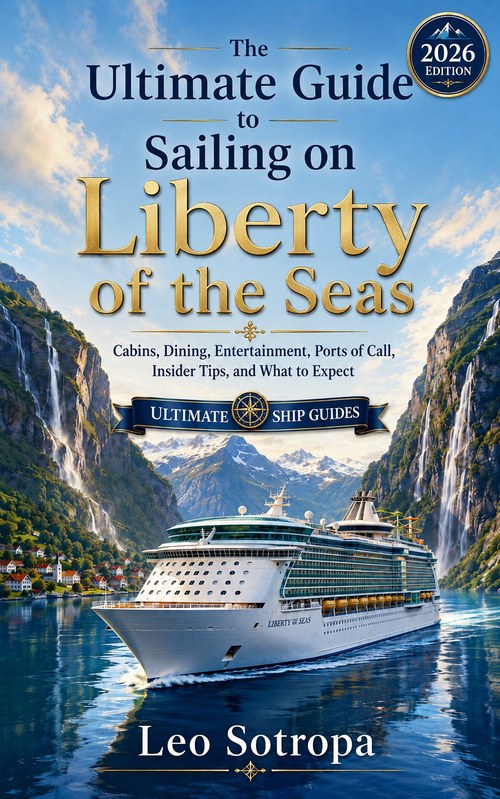
Everything in this article and far more, deck by deck, in The Ultimate Guide to Sailing on Liberty of the Seas.
Get the book →Getting to the Southampton port
Southampton is one of the easier major cruise ports to reach, but the logistics still reward a little forethought. Most international guests arrive through London, then travel down to the coast. The train from London Waterloo to Southampton Central is the most straightforward option, running frequently and taking a little over an hour on the faster services. From Southampton Central it is a short taxi ride to the cruise terminals. If you are flying into Heathrow or Gatwick rather than central London, coach and pre-booked transfer services run directly to the port, which can be simpler than dragging luggage across the city to a mainline station.
Whichever way you come, build in slack. Trains can be delayed, motorway traffic around the port on a turnaround morning is real, and there is nothing relaxing about racing a check-in cutoff with suitcases. If your itinerary or budget allows, treat the journey as its own small buffer rather than trying to thread it perfectly on embarkation morning.
Arrive a day early
The single best tip for a Southampton departure is to arrive the day before and stay in a hotel near the port. It removes the entire category of travel-day anxiety: a cancelled early flight, a missed connection, or a train problem no longer threatens your cruise. It also gives you a chance to enjoy Southampton itself, a city with deep maritime and Titanic heritage, and a natural base for day trips to London, Winchester, Stonehenge, and the New Forest if you have extra time on either end of your voyage.
Hotels near the waterfront and city centre fill up fast on the nights before big departures, so book your room as soon as your cruise is confirmed. Look for somewhere within a short taxi hop of the terminals, and check whether the hotel offers luggage storage or a shuttle, which makes the morning even easier. A calm night’s sleep and a short ride to the ship is a far better start than a red-eye and a sprint.
What to book before you leave home
Liberty carries a lot of guests, up to nearly 5,000 when she sails full, and the most popular experiences are finite. The pattern to internalise is simple: anything with limited capacity or a strong following books up, and it books up before sailing, not once you are aboard. Sort these out in the Royal Caribbean app in the weeks before your cruise rather than hoping to walk up.
- Specialty dining. The best tables at Chops Grille, Giovanni’s Italian, and Izumi Teppanyaki, the Japanese hibachi and sushi venue added in the refit, go early, especially for the first sea night and any scenic-cruising evening. Reserve online before you sail.
- Shows. Book the ice show at Studio B and the main theater production shows in advance so you are not stuck with awkward times or a standby line.
- Shore excursions. In Norway in particular, the marquee tours sell out. If you have your heart set on a specific fjord experience or a Pulpit Rock hike from Stavanger, reserve it early rather than gambling on availability in port.
- The Perfect Storm and Tidal Wave. The waterslides themselves are free, but plan your timing around them (more on that below).
Timing the Tidal Wave and Perfect Storm
The Perfect Storm waterslides, headlined by Tidal Wave, are one of the signature additions of Liberty’s Royal Amplified refit. Tidal Wave is the first-ever boomerang slide at sea, a steep drop that fires riders up a near-vertical wall, and it draws a crowd. Because this is a Northern Europe sailing rather than a Caribbean one, the smart move is to ride the slides on the warmest, calmest sea day, ideally in the morning before the deck fills up, or during a port call when many guests are ashore. Do not assume you will get endless sunny pool-deck afternoons here; grab your chance when the weather cooperates.
The same “go when it’s quiet” logic applies to the other Amplified draws. The FlowRider surf simulator, the rock-climbing wall, and the reimagined pool deck around The Lime and Coconut pool bar are all more pleasant when the crowds are ashore or the ship is between the busy morning and evening rushes.
It is also worth knowing what else the refit brought so you can slot it into your week. The Observatorium adds a Royal Escape Room adventure that is best pre-booked for a set session with your group. El Loco Fresh serves quick tacos and Mexican for a casual lunch, and the new-to-ship Starbucks is handy for a proper coffee before an early port morning. The Casino Royale was expanded too. None of these need booking months out the way dining and tours do, but knowing they exist helps you plan a rainy sea day without feeling like there is nothing to do indoors.
Packing for cool, wet fjord weather
This is the packing mistake that catches people out most: treating a Southampton-to-Norway cruise like a warm-weather getaway. It is not. Expect a cool northern-European summer with changeable, often wet weather and mild temperatures rather than heat. The right approach is layers plus a genuinely waterproof shell. A packable rain jacket, a warm mid-layer, comfortable waterproof walking shoes, and something to keep your hands and head warm on an exposed deck will all earn their place. You will still want swimwear for the pools and slides, but it is a small part of the bag, not the theme of it.
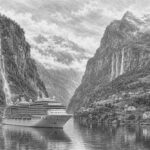
Bring binoculars and a proper camera. The fjord scenery, waterfalls tumbling down sheer cliffs, glaciers, and the turquoise glacial lakes around Olden, is the reason you are here, and it is worth seeing well. A dry bag or a simple waterproof pouch for your phone and camera is a sensible addition for tender rides, open-deck scenic cruising, and any Norwegian downpour.
Long daylight, and how to use it
The far-northern summer brings very long daylight hours, which is a gift if you plan for it. Golden light can stretch late into the evening, so scenic cruising and the Norwegian ports look extraordinary well past a normal sunset. The flip side is that bright rooms can make sleeping harder, so pack an eye mask if you are sensitive to light, and use the balcony blackout curtains fully. When the ship is gliding past the scenery of the fjords, the deep-water waterfalls and villages of the Sognefjord approaching Skjolden, or the mountains around Haugesund’s Åkrafjord, get to an open deck or a forward-facing spot rather than watching through glass.
Money: four currencies and a cashless culture
A Northern Europe itinerary crosses several currencies in a single week, which surprises first-timers. On a typical sailing you will encounter British pounds in Southampton, euros in Belgium, Danish kroner in Copenhagen, and Norwegian kroner in Norway. The good news is that Scandinavia is among the most cashless places on earth. A contactless card is usually all you need for cafés, shops, buses, and attractions, so you do not have to change money four times.
| Where | Currency | Cash needed? |
|---|---|---|
| Southampton, England | British pound (GBP) | Rarely; cards accepted everywhere |
| Bruges (via Zeebrugge), Belgium | Euro (EUR) | A little handy for small shops |
| Copenhagen, Denmark | Danish krone (DKK) | Largely cashless; card is fine |
| Norway (Stavanger, Haugesund, Olden, Skjolden) | Norwegian krone (NOK) | Very cashless; card almost always |
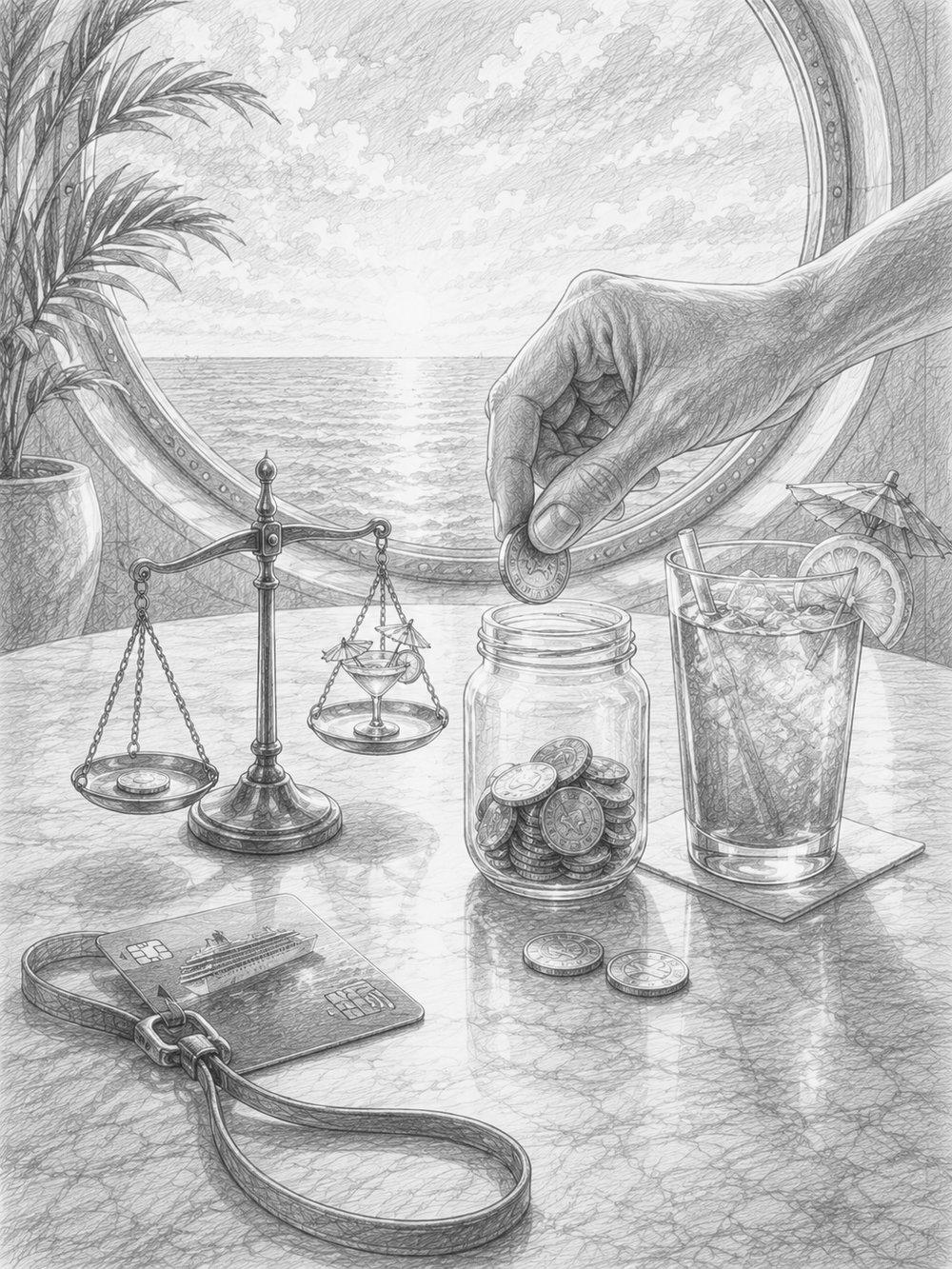
Two practical notes. First, carry a card with no foreign-transaction fees and, ideally, a backup card in case one is declined abroad. A small amount of local cash can still be useful for a tip, a market stall, or a public toilet, but you should not need much of any single currency. Second, and this is the big one: Norway and Scandinavia are among the most expensive destinations in the world. Food, drinks, and excursions cost far more than many visitors expect, so budget accordingly and decide in advance where you want to spend. Eating a proper lunch back on the ship and saving your money for one memorable Norwegian experience is a completely reasonable strategy here.
Your onboard account
Onboard, none of this applies: the ship runs on your SeaPass card, a cashless account you settle at the end. Daily gratuities are added automatically, Wi-Fi is a paid plan you buy per voyage, and drinks and specialty dining post to the same account. Keep an eye on your folio through the app during the week so there are no surprises on the final morning.
Use the Royal Caribbean app
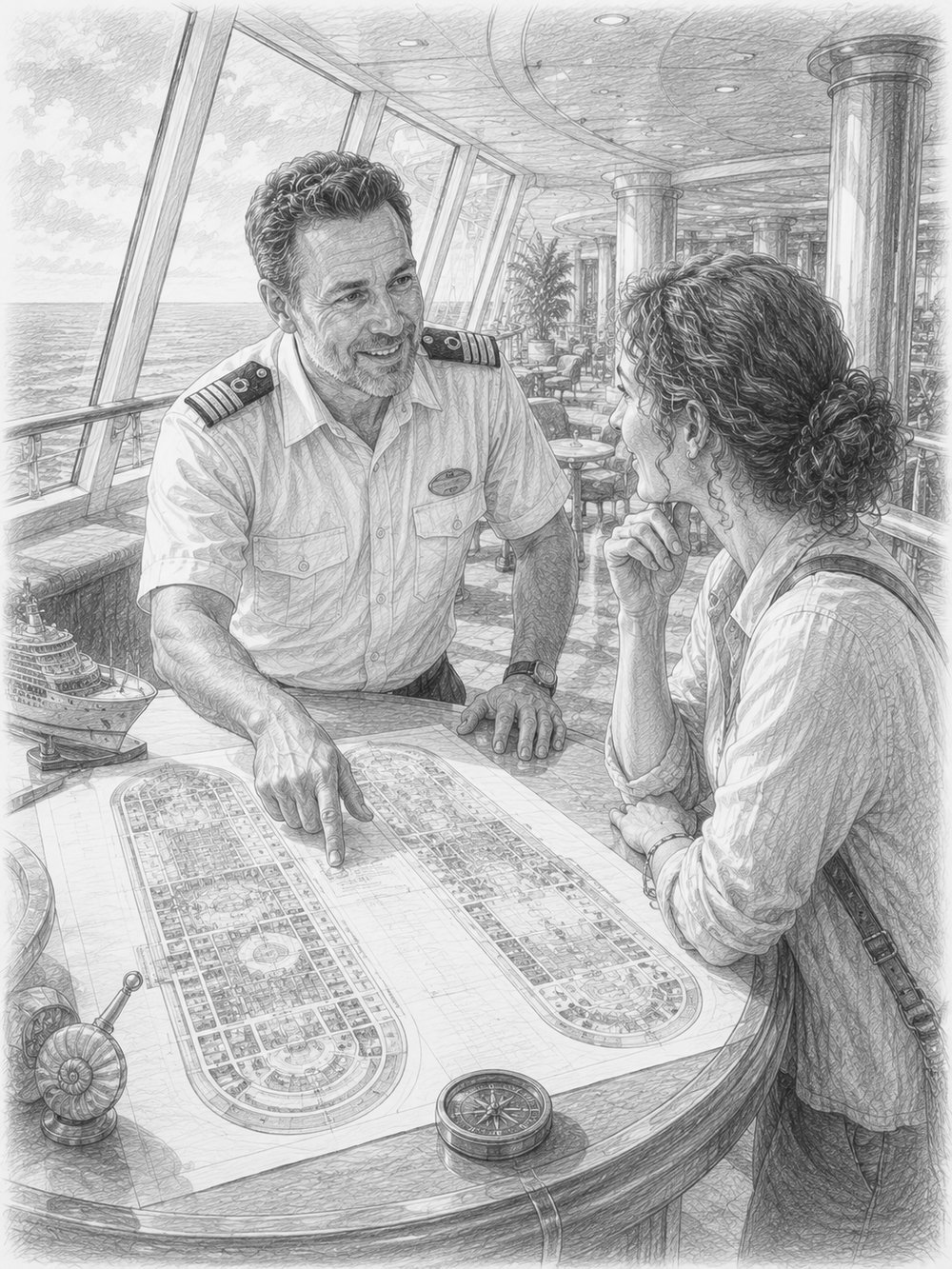
Download the Royal Caribbean app and set it up before you leave home, ideally while you still have reliable Wi-Fi. Use it to complete online check-in, upload your documents, and pick or confirm your boarding arrival time, which genuinely speeds up your morning at the terminal. Once aboard, the app is your daily planner: the schedule of shows and activities, dining reservations, deck maps, your account balance, and the current itinerary all live there.
Because these itineraries and venues can change, the app is also where you confirm the details rather than relying on anything printed months ahead. Check your exact ports, scenic-cruising times, and any updated show or dining schedule there. The core app features work over the ship’s Wi-Fi even if you have not bought a full internet plan, so you can plan your day without paying for data ashore.
The British and European onboard feel
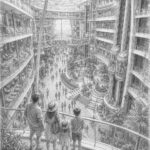
Liberty out of Southampton has a slightly different atmosphere from the US-based Royal Caribbean cruise many guests picture. The guest base skews strongly British and European, which shows up in small ways: the accents around you, the rhythm of the day, and the general vibe. It is still unmistakably a Freedom-Class ship with family-friendly energy, the four-deck Royal Promenade humming with shops and bars, Studio B’s ice rink, the pools and sports court, but the crowd gives it a distinctly Northern European character. English is very widely spoken across all the ports too, which makes getting around straightforward.
If you want to understand the full range of what is aboard, from the amplified additions to the classic Freedom-Class venues, it is worth reading up on what to expect on Liberty of the Seas before you sail so nothing catches you off guard. And because a fjord cruise rewards the right room, it pays to think early about the best cabins on Liberty of the Seas for this kind of scenic itinerary.
A note on choosing your cabin
On a warm-weather cruise you spend your days out by the pool and a balcony is a nice-to-have. On the fjords it earns its keep, because a balcony lets you take in the waterfalls and cliffs from your own room, coffee in hand, without fighting for deck space. If a balcony stretches the budget, a midship one on the mid-decks gives you light, space, and the steadiest ride for open stretches like the North Sea. Interior and Promenade-view interior cabins remain the best value if you would rather spend the savings ashore in pricey Norway.
Planning efficient port days
Port days on this itinerary reward a plan. Some calls put you within walking distance of the sights; others require a transfer or a booked tour to reach what you came for. Sorting out which is which in advance is the difference between a relaxed day and a wasted one.
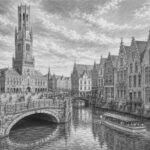
- Bruges (via Zeebrugge), Belgium. The cruise port is a transfer from the medieval old town, so plan how you will get there, whether a ship shuttle, tour, or train. Your reward is the canals, the Markt and belfry, and world-class chocolate and beer.
- Copenhagen, Denmark. A walkable, bikeable city with Nyhavn, the Little Mermaid, Tivoli Gardens, and the palaces. Decide your priorities in advance because there is more than one day can hold.
- Stavanger, Norway. The charming old town is right there, while the famous Pulpit Rock hike over the Lysefjord is a full-day, weather-dependent commitment best booked ahead.
- Haugesund, Norway. The Viking heartland, with the Åkrafjord and the Langfoss waterfall the draws for those heading out of town.
- Olden, Norway. Your gateway to the Briksdal and Nordfjord glaciers and turquoise glacial lakes, deep mountain scenery that is the reason many people book this cruise.
- Skjolden, Norway. Sitting at the innermost end of the Sognefjord, Norway’s deepest and longest, with the Jotunheimen wilderness beyond.
Because ports vary by sailing, treat the list above as the shape of a typical itinerary rather than a fixed promise, and confirm your exact calls in the app. Liberty’s fjord sailings emphasise Stavanger, Haugesund, Olden, and Skjolden, while her Northern Europe itineraries lean on Bruges and Copenhagen, and some voyages add Canary Islands calls or scenic cruising days with no port at all. A day spent simply cruising the fjords, with waterfalls, cliffs, and villages sliding past, is not a wasted day; it is often the best one, so plan to be on deck rather than indoors when the scenery peaks.
Two habits keep port days efficient. First, get off the ship early on the ports you care most about, before the gangway and the tour buses jam up. Second, always confirm the all-aboard time and build a cushion, because these ports are remote and the ship will not wait. For a deeper look at the individual calls, the guide to Liberty of the Seas Northern Europe ports is a useful companion, and if the fjords are your main draw, the dedicated Liberty of the Seas Norwegian Fjords rundown goes port by port through the scenery.
Passports and entry rules
Passports are required for this itinerary, and the ports span three different arrangements: the UK, the Schengen Area (Belgium and Denmark), and Norway, which is in Schengen but not the EU. Entry rules depend on your nationality, so check the current requirements well before you travel and make sure your passport has plenty of validity remaining. Keep a photo of your passport and travel documents on your phone as a backup.
Get the complete Liberty of the Seas playbook
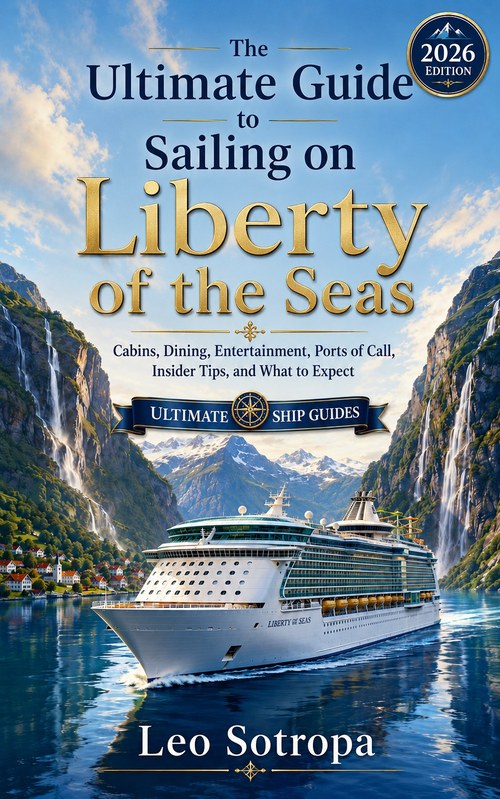
For a chapter-by-chapter plan that turns all of this into simple action steps, pick up “The Ultimate Guide to Sailing on Liberty of the Seas,” part of the Ultimate Ship Guides series by Leo Sotropa. It walks you through booking, packing, ports, and onboard life so you can sail from Southampton with everything already sorted.
Frequently asked questions
How do I get from London to the Southampton cruise port?
The simplest route is the train from London Waterloo to Southampton Central, which runs frequently and takes a little over an hour on faster services, followed by a short taxi to the terminal. From Heathrow or Gatwick, a coach or pre-booked transfer straight to the port can be easier than crossing London with luggage. Whichever you choose, leave a generous buffer for delays.
Should I arrive in Southampton a day early?
Yes. Staying near the port the night before removes the risk of a travel delay costing you the cruise, and it lets you enjoy Southampton’s maritime heritage or a day trip to London, Winchester, Stonehenge, or the New Forest. Book your hotel early, because rooms fill up fast on the nights before big departures.
What should I pack for a Norwegian Fjords cruise from Southampton?
Pack for a cool, changeable, often wet northern-European summer rather than a beach holiday. Bring layers, a properly waterproof jacket, warm items, and comfortable waterproof walking shoes, plus binoculars and a camera for the scenery. Add swimwear for the pools and slides, and an eye mask to cope with the very long daylight hours.
What currencies do I need, and can I use cards?
You will cross British pounds, euros, Danish kroner, and Norwegian kroner in a single itinerary, but Scandinavia is largely cashless and a contactless card usually covers everything. Carry a card with no foreign-transaction fees plus a backup, and keep only a little local cash for small purchases. Remember that Norway and Scandinavia are very expensive, so budget for food, drinks, and excursions.
What should I book before the cruise?
Reserve specialty dining like Chops Grille, Giovanni’s, and Izumi Teppanyaki, book the Studio B ice show and main theater shows, and lock in shore excursions early, especially the marquee Norway tours, which sell out. The Perfect Storm waterslides including Tidal Wave are free, but ride them on a calm, warm sea day or during a port call when the deck is quiet. Sort it all in the Royal Caribbean app before you sail.
Do I need the Royal Caribbean app?
It is close to essential. Set it up before you travel to complete online check-in, upload documents, and choose your arrival time, then use it aboard for the daily schedule, dining reservations, deck maps, your account balance, and the current itinerary. The core features work over the ship’s Wi-Fi even without a paid internet plan, and it is where you confirm any changes to ports or show times.
Is a Southampton sailing different from a US Royal Caribbean cruise?
The ship is the same amplified Freedom-Class Liberty of the Seas, but the guest base out of Southampton skews strongly British and European, giving the sailing a slightly different feel from a US-based cruise while keeping the family-friendly energy. English is widely spoken across all the ports, and the biggest practical differences are the cool weather, the multiple currencies, and the higher costs ashore rather than anything about the ship itself.
Ready for the whole ship in one place? It is all in The Ultimate Guide to Sailing on Liberty of the Seas.
Get the book →
Meet Leo: The Heartbeat Behind ‘A Country A Month’
Journeying through the pages of A Country A Month, you might often feel the rhythm of a storyteller’s heartbeat, pulsating through each line, each image, and each adventure shared. That heartbeat belongs to none other than our remarkable website editor, Leo.
With a lens in one hand and a pen in the other, Leo seamlessly marries his passions for photography and writing. His eye captures moments that words can barely describe, yet his eloquence brings those images to life, transcending borders and connecting us all through shared stories. An avid traveler, every country he’s visited has added another chapter to his expansive tale, and through our platform, he generously shares these chapters with us.