Which ports will you actually see on a Northern Europe cruise, and how do city stops like Bruges and Copenhagen sit alongside the Norwegian Fjords? On Liberty of the Seas, the answer depends on the sailing — but her Southampton-based season generally links three very different kinds of shore day: cobblestone medieval towns, a design-forward Scandinavian capital, and the deep-water fjords with their waterfalls and glaciers. This Northern Europe cruise guide fjords included covers what to do in each port, how the transfers work, and how to plan varied shore days without burning out. Ports vary by voyage, so always confirm your exact itinerary in the Royal Caribbean app before you lock in tours.
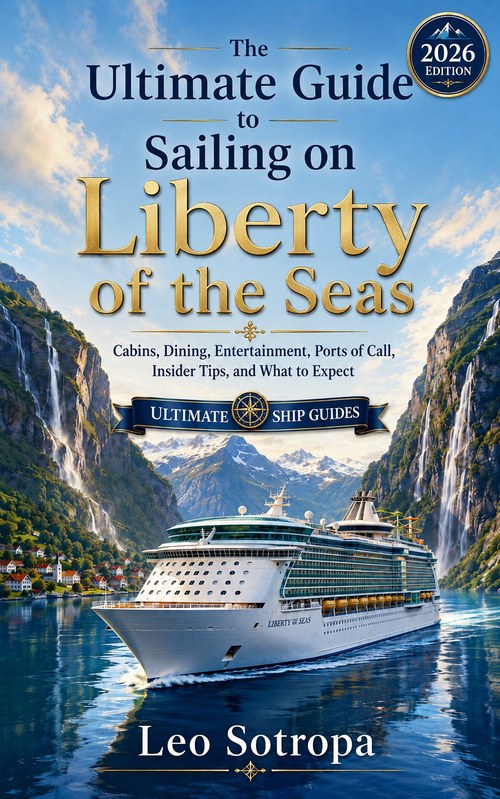
Everything in this article and far more, deck by deck, in The Ultimate Guide to Sailing on Liberty of the Seas.
Get the book →Liberty of the Seas is Royal Caribbean’s freshly amplified Freedom-Class ship, a direct sister to Freedom of the Seas and Independence of the Seas. Her headline season runs round-trip from Southampton, England, on seven-night voyages (with some shorter and longer options) through spring, summer and early autumn. Some sailings lean into the Norwegian Fjords, some string together the Northern Europe city ports, and a few reach the Canary Islands. The variety is the point — but it also means your planning has to flex from one port to the next.
The shape of Liberty’s Northern Europe range
Think of the season as three overlapping types of itinerary rather than one fixed route. The fjords sailings emphasize Stavanger, Haugesund, Olden and Skjolden, with scenic cruising through the fjords themselves as a centerpiece. The Northern Europe city itineraries call at Bruges (via Zeebrugge) in Belgium and Copenhagen in Denmark. And nearly every voyage is bookended by Southampton, which is a destination in its own right if you arrive a day early.
Because ports rotate by sailing, don’t assume a friend’s itinerary matches yours. Two departures a week apart from the same home port can visit almost entirely different places. Pull up your voyage in the app, confirm the arrival and departure times for each port, and build your day around those windows. For a broader overview of the ship and how she sails, the Liberty of the Seas cruise guide is a good starting point before you get into port-by-port detail.
Bruges via Zeebrugge: canals, chocolate and a medieval old town
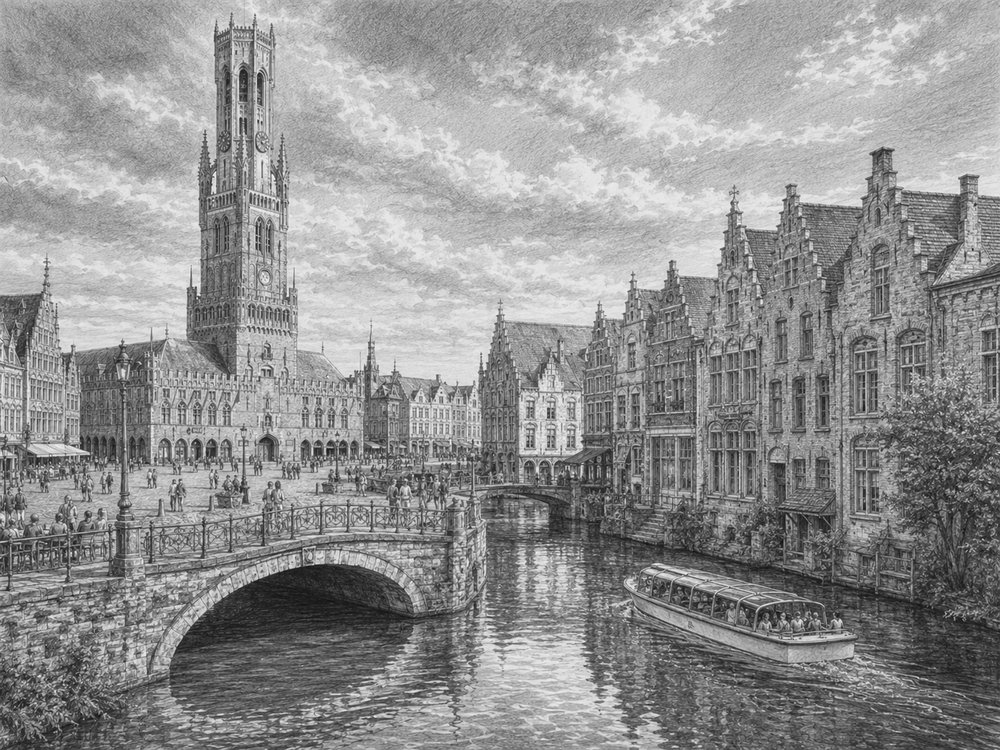
Bruges is one of the best-preserved medieval towns in Europe, and it delivers the kind of shore day that photographs itself: canals lined with stepped gable houses, the wide market square known as the Markt, and the belfry tower looming over it. The catch is that the ship doesn’t dock in Bruges. She calls at Zeebrugge, the port town on the coast, and the old town sits inland — so the single most important decision of the day is how you’ll cover that gap.
Getting from the port into the city
You have a few realistic options, and it’s worth deciding before you sail rather than at the pier. A ship-run shore excursion is the simplest: it handles the transfer both ways and guarantees you’re back before all-aboard, which matters more here than on a port where you can walk off and back. Independent transfers and the local train (from Zeebrugge into Bruges) are cheaper but put the timing on you. If you’d rather not think about logistics at all, book the Royal Caribbean transfer or tour through the app and confirm the meeting point the night before.
What to actually do once you’re there
Once you’re in the old town, Bruges is compact enough to explore on foot. A short list that fills a shore day comfortably:
- Start at the Markt, the central square, and climb the belfry if the queue is reasonable for a view over the rooftops.
- Walk the canals — a short boat trip is the classic way to see the town from water level.
- Taste your way through Belgian chocolate shops; this is one of the great chocolate towns and samples are everywhere.
- Find a café for Belgian beer, which is a serious local tradition, not an afterthought.
- Wander the smaller lanes off the main squares, where the crowds thin out and the medieval architecture is quietest.
Belgium uses the euro, and cards are widely accepted, though a little cash smooths small purchases at market stalls and smaller cafés. Give yourself a buffer for the return transfer — the trip back to Zeebrugge is the part of the day most likely to run long.
Copenhagen: Nyhavn, the Little Mermaid and Tivoli
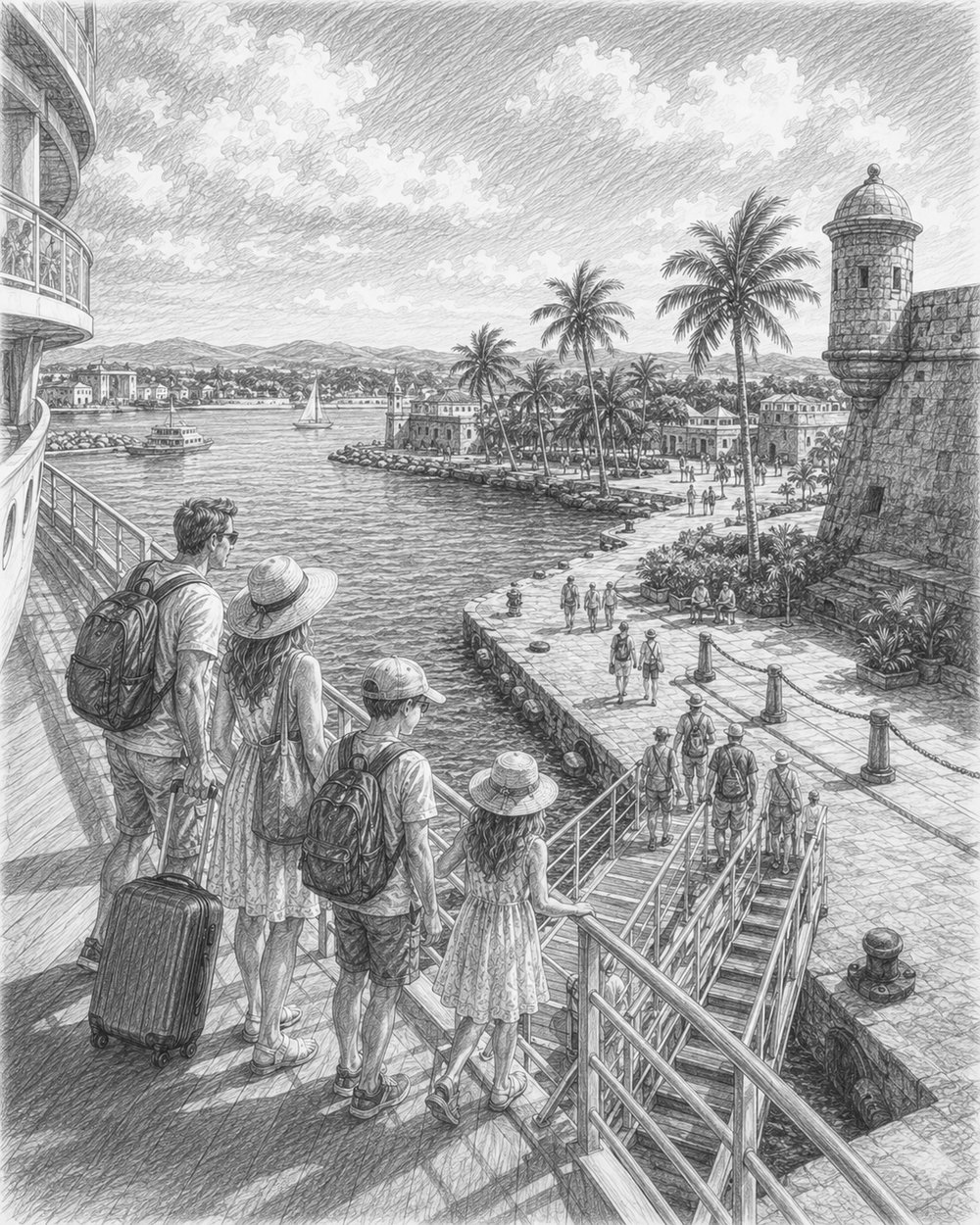
Copenhagen is the most walkable of Liberty’s city ports and rewards a self-guided day. The Danish capital is compact, flat, famously bike-friendly, and packed with landmarks close enough to link on foot or with a short transfer. It’s also where Scandinavian design and food come to the front — this is a city to slow down in rather than sprint through.
The landmarks worth your time
- Nyhavn — the postcard harbor of brightly painted townhouses and old wooden boats. Come early before the crowds and cafés fill the quayside.
- The Little Mermaid — the small bronze statue on the waterfront, more modest than most visitors expect but a quick, iconic stop.
- Tivoli Gardens — the historic amusement park and gardens in the city center, good for families and anyone who wants a relaxed afternoon.
- The palaces — Copenhagen’s royal residences anchor the city’s grand squares and are worth a walk-past even if you don’t go inside.
- Danish design and food — set aside time to eat well and browse; the city’s design culture is a genuine attraction.
Denmark uses the Danish krone, and Scandinavia is largely cashless — a contactless card usually covers everything, so you rarely need to hunt for an ATM. Do budget for the fact that Scandinavia is among the most expensive regions in the world; coffee, lunch and a Tivoli ticket add up faster than you’d expect. If Copenhagen is a full port day, you can cover the headline sights on foot and still have time to sit somewhere with a coffee and watch the harbor.
How the Norwegian Fjords ports fit alongside the cities
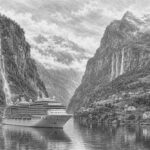
The fjords are a completely different rhythm from Bruges and Copenhagen. Where the city ports are about squares, cafés and museums, the Norwegian calls are about landscape: waterfalls, glaciers, sheer cliffs and the scenic cruising between ports. Liberty’s fjord itineraries emphasize Stavanger, Haugesund, Olden and Skjolden. Here’s what each brings.
| Port | What it’s known for | Best for |
|---|---|---|
| Stavanger | The old town, plus Pulpit Rock (Preikestolen) and Lysefjord | A city stroll or a bigger hike/fjord excursion |
| Haugesund | The Viking heartland, the Åkrafjord and the Langfoss waterfall | History and dramatic waterfall scenery |
| Olden | The Briksdal and Nordfjord glaciers, turquoise glacial lakes, mountains | Glaciers and mountain landscapes |
| Skjolden | The innermost fjord on the Sognefjord — Norway’s deepest and longest — and the Jotunheimen wilderness | Remote scenery and deep-fjord cruising |
Stavanger
Stavanger is the most flexible of the four because it gives you two very different days from one pier. Stay close and you have a walkable old town of white timber houses right off the ship, which suits anyone who wants an easy morning. Go bigger and this is the gateway to Pulpit Rock (Preikestolen) and Lysefjord — a serious hike and a fjord well worth the effort for those who want to earn the view. Decide which version of the day you want before you arrive, because the hike is a committed excursion, not a spontaneous stroll.
Haugesund
Haugesund sits in the Viking heartland, and its draw is a mix of history and dramatic water. Beyond the town, the Åkrafjord and the Langfoss waterfall are the scenery to chase — Langfoss is one of Norway’s tall, sheer falls, best seen from the water or a viewpoint on an organized trip. If you’re building a varied week, Haugesund pairs history with landscape in a way the pure-glacier ports don’t.
Olden
Olden is the glacier port. It opens onto the Briksdal and Nordfjord glaciers, turquoise glacial lakes and mountain scenery that feels a world away from the cities. A glacier excursion here is a highlight of the season for many guests, and it’s exactly the sort of tour that sells out early, so book it as soon as your itinerary is confirmed. Even if you stay lower down, the valley and lake scenery around the port is striking.
Skjolden and the Sognefjord
Skjolden is the innermost fjord port, tucked at the far end of the Sognefjord — Norway’s deepest and longest. The approach and departure are half the experience, with the ship threading deep between cliffs, and the Jotunheimen mountains and wilderness rising beyond. This is the most remote-feeling of Liberty’s fjord calls, and the payoff is scenery rather than shopping streets. Watch the sail-in from an open deck if the timing works.
The scenic cruising itself
Don’t treat the sailing between ports as dead time. Cruising the Norwegian Fjords is a centerpiece of the season in its own right — waterfalls, cliffs and villages gliding past while you stand on deck. It’s the one part of the itinerary that costs nothing and asks nothing of you beyond showing up. Find an open deck or a forward-facing spot, keep the binoculars close, and check the app for the times when the ship is due to pass the best stretches.
Norway uses the Norwegian krone and, like the rest of Scandinavia, runs largely cashless. It’s also among the world’s most expensive destinations, so shore excursions here — glacier visits, fjord boat trips, the Pulpit Rock hike — carry a premium. Book the ones you care about early; the best fjord tours sell out. The scenic cruising itself costs nothing: watch from an open deck or a forward-facing spot as waterfalls and villages glide past. For a deeper look at these calls specifically, the dedicated Liberty of the Seas Norwegian Fjords guide goes port by port.
The practical difference for planning is energy. A fjord port often means an early, active, weather-exposed excursion; a city port means a longer, gentler day on foot. Mixing them across a week works well precisely because they don’t tire you out the same way — but you’ll want to pace the big-effort days rather than stacking them.
The ship between ports is a real part of the plan, not just a place to sleep. After a hard hike day, Liberty gives you somewhere to recover with no shore logistics involved — the four-deck Royal Promenade, the adults-only Solarium, Studio B’s ice rink, and the amplified pool deck with The Perfect Storm waterslides and the Lime and Coconut pool bar. For families, the FlowRider and rock wall keep energy burning on the days you’d rather stay aboard. If you want the full picture of onboard life before you sail, see what to expect on Liberty of the Seas.
Southampton: the bookend that’s a destination too
Southampton is where the voyage starts and ends, and it’s a mistake to treat it purely as a transit point. The city carries genuine maritime and Titanic heritage, and it sits within easy reach of some of England’s best day trips. Arrive a day early — ideally two if you can — and you turn a stressful same-day embarkation into a proper leg of the trip.
- London — close enough for a full day before or after the cruise, with fast rail links from the area.
- Winchester — the historic cathedral city, an easy and less crowded alternative to London.
- Stonehenge — the prehistoric stone circle out on Salisbury Plain, a classic half- or full-day trip.
- The New Forest — open heath and woodland with free-roaming ponies, good for a slower day in nature.
Southampton uses British pounds. Building in a pre-cruise buffer day also protects you from flight delays and lets you adjust to the time zone before you sail. If you want more on the embarkation-day flow and getting the most out of Southampton, the Royal Caribbean Liberty of the Seas tips cover the practical side.
Planning shore days across such varied stops
The challenge of this itinerary is that no two ports ask the same thing of you. A single week can move from a canal town to a Scandinavian capital to a glacier, each with different money, different weather exposure and different transfer logistics. A few habits make it manageable.
Sort the transfers first
Some ports drop you at the doorstep (Copenhagen is walkable), and some don’t (Bruges is a transfer from Zeebrugge). Before each port, know whether you can walk off and explore or whether you need a booked tour or transfer to reach the sights. Getting this wrong is the most common way to waste a shore day. Where a port requires a transfer, a ship excursion buys you the guarantee of getting back on time.
Handle the money once
You’ll cross several currencies: British pounds in Southampton, euros in Belgium, Danish kroner in Copenhagen and Norwegian kroner in Norway. The simplest approach is a good contactless card, which covers nearly everything across Scandinavia and the cities, plus a small amount of local cash for market stalls and tips. Onboard, everything runs on your SeaPass card, so the currencies only matter ashore.
Pack for the north, not the beach
This is a cool northern-European summer: long daylight hours, changeable and often wet weather, mild temperatures. Layered clothing and a waterproof shell are essential — a fjord excursion can be bright one hour and drizzling the next. Bring binoculars and a camera for the scenery; you’ll use them in the fjords and on scenic-cruising stretches. The long daylight, by the way, is a gift for shore days: even a late-returning excursion often leaves you plenty of light.
Pace the week
Alternate the big-effort days with easier ones. A hike above Stavanger or a glacier trip in Olden is more demanding than a stroll through Bruges. If you have back-to-back active ports, plan a lower-key second day so you’re not exhausted by mid-week. Sea days and scenic-cruising days are natural recovery points — and Liberty gives you plenty to do onboard when you want a break from shore, from the FlowRider and the rock wall to the Royal Promenade. If you’re weighing cabins for a scenery-heavy trip, the best cabins on Liberty of the Seas breakdown explains why a balcony earns its keep in the fjords.
One more reminder that’s easy to forget in the planning excitement: ports genuinely vary by sailing. The lineup above reflects Liberty’s typical Northern Europe range, but your exact calls, times and available excursions live in the Royal Caribbean app. Check it, then build your days around what’s actually in front of you.
Get the complete Liberty of the Seas playbook
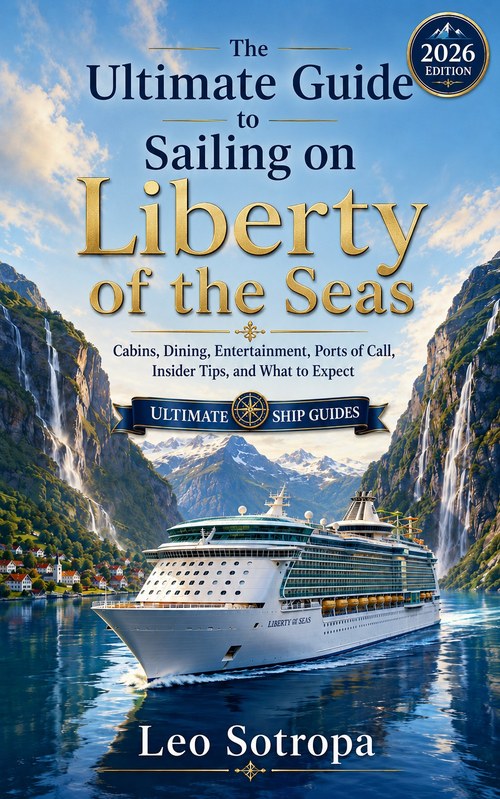
For a port-by-port plan, transfer tips and shore-day strategy across the whole Northern Europe range, “The Ultimate Guide to Sailing on Liberty of the Seas” walks you through it step by step. It’s part of the Ultimate Ship Guides series by Leo Sotropa, with clear action steps in every chapter.
Frequently asked questions
Does Liberty of the Seas dock in Bruges?
No. The ship calls at Zeebrugge, the coastal port, and Bruges old town is inland. You’ll need a transfer to reach the city — a ship excursion, an independent transfer or the local train from Zeebrugge. Because the return trip can run long, decide your transfer plan before you sail and leave a buffer for getting back before all-aboard.
Can I explore Copenhagen on my own?
Yes. Copenhagen is one of the more walkable ports on the itinerary — compact, flat and bike-friendly, with Nyhavn, the Little Mermaid, Tivoli Gardens and the palaces close enough to link on foot or with a short transfer. A contactless card covers nearly everything, so a self-guided day works well.
Will my sailing visit both the cities and the Norwegian Fjords?
Not necessarily. Some Liberty itineraries emphasize the fjords (Stavanger, Haugesund, Olden, Skjolden), while others string together the Northern Europe city ports like Bruges and Copenhagen. Ports vary by voyage, so confirm your exact itinerary in the Royal Caribbean app rather than assuming a single fixed route.
Which currencies do I need across these ports?
You may cross several: British pounds in Southampton, euros in Belgium, Danish kroner in Copenhagen and Norwegian kroner in Norway. Scandinavia is largely cashless, so a good contactless card usually covers everything, with a little local cash handy for small purchases. Onboard, everything runs on your SeaPass card.
What should I pack for a Northern Europe cruise?
Pack for a cool, changeable northern-European summer: layered clothing and a waterproof shell are essential, since the weather is mild but often wet. Bring binoculars and a camera for the fjord scenery. This is not a beach-cruise packing list, even in the warmest months.
Is Southampton worth arriving early for?
Yes. Southampton has real maritime and Titanic heritage and sits within easy reach of London, Winchester, Stonehenge and the New Forest. Arriving a day early turns a rushed embarkation into a proper part of the trip and protects you against flight delays.
How do I plan shore days across such different ports?
Sort each port’s transfer situation first, since some drop you at the sights and some require a booked transfer. Alternate demanding excursion days with easier walking days so you don’t burn out, use sea days as recovery, and confirm your exact calls and times in the app before booking tours.
Ready for the whole ship in one place? It is all in The Ultimate Guide to Sailing on Liberty of the Seas.
Get the book →
Meet Leo: The Heartbeat Behind ‘A Country A Month’
Journeying through the pages of A Country A Month, you might often feel the rhythm of a storyteller’s heartbeat, pulsating through each line, each image, and each adventure shared. That heartbeat belongs to none other than our remarkable website editor, Leo.
With a lens in one hand and a pen in the other, Leo seamlessly marries his passions for photography and writing. His eye captures moments that words can barely describe, yet his eloquence brings those images to life, transcending borders and connecting us all through shared stories. An avid traveler, every country he’s visited has added another chapter to his expansive tale, and through our platform, he generously shares these chapters with us.