What is the single best piece of advice for a first Freedom of the Seas sailing? Treat the FlowRider like a limited-time attraction, not a whenever-you-feel-like-it activity, and book your CocoCay experiences and specialty dinners before you ever step aboard. Freedom of the Seas is the ship that introduced the FlowRider surf simulator to cruising, and on a short 3-, 4- or 5-night getaway from Miami, the days move fast. The people who leave happiest are the ones who decided in advance which few things they actually cared about and reserved them early. This guide walks through the Royal Caribbean FlowRider cruise tips that matter most, then broadens out into the booking, boarding, and port strategy that makes a short cruise feel a lot longer.
Everything in this article and far more, deck by deck, in The Ultimate Guide to Sailing on Freedom of the Seas.
Get the book →Mastering the FlowRider on Freedom of the Seas
The FlowRider is a stationary wave: a sheet of water shot up an angled, padded surface at high speed so you can surf or board in place. Freedom was the first cruise ship to carry one, and it is still one of the most photographed spots on the top decks. It is also completely free to ride during the complimentary open sessions, which surprises a lot of first-timers who assume anything this exciting must cost extra. Understanding how the sessions work is the difference between one frustrating turn in a long line and a genuinely good afternoon.
Boogie-board versus stand-up: start on your belly
There are two ways to ride. Boogie-boarding (also called body-boarding) has you lying chest-down on a small board, carving left and right across the wave. Stand-up flowboarding is the harder discipline, where you balance upright on a larger, finless board. Almost everyone should start with the boogie-board. It is far more forgiving, you will be riding within a couple of turns, and it teaches you how the water behaves before you try to stand. The staff typically run separate sessions for each style because the skill gap is large, so check the daily schedule in the app for which session is which.
If you have your heart set on standing up, accept that your first several attempts will end with a quick spill into the flow, which is exactly what the padded surface and rushing water are designed for. It does not hurt. The riders who make it look effortless have almost always put in multiple sessions. On a 3- or 4-night sailing you simply will not have enough time to master stand-up from scratch, so set your expectations to “get good at boogie-boarding, try standing once for the photo.”
Complimentary sessions versus booked private slots
Two access models run side by side. The complimentary open sessions are included in your fare and operate on a first-come, wait-in-line basis during posted hours. This is how most guests ride and it costs nothing beyond your patience. Royal Caribbean also sells private or small-group instructional slots for an extra charge, where you get dedicated time and hands-on coaching without the queue. If you are traveling with kids who are determined to learn, or you want serious stand-up instruction, a paid slot removes the waiting and compresses your learning curve. For everyone else, the free sessions are plenty.
A few practical rules apply either way. There is a height and weight guideline, participants sign a waiver, and you ride in provided attire or a secured swimsuit with no loose items, jewelry, or GoPros on your body that could come off in the wave. Listen to the operator’s briefing even if you have surfed before, because the wave and the surface behave differently from ocean surf.
Best times to ride and how to beat the line
The FlowRider line is shortest at two predictable moments: right when the first session opens, and during any port-day stretch when most of the ship has gone ashore. On a CocoCay or Nassau day, the guests who stay aboard or come back early have the wave nearly to themselves. Mid-afternoon sea-day sessions are the busiest. If you want repeated rides rather than a single turn, plan around a port morning or the very first opening of the day, and bring a friend so you can trade spots in line without losing your place.
- Show up at the first posted session of the day for the shortest wait.
- Use port-day timing: ride while the crowds are ashore at CocoCay or Nassau.
- Watch a full session before your first turn so you learn the entry and the carve.
- Start on the boogie-board; only move to stand-up once you can carve confidently.
- Keep pockets empty and remove anything that can detach in the water.
Technique basics and staying safe
For boogie-boarding, the core skill is weight control. Enter with the board flat, keep your weight centered, and steer by gently shifting your hips and shoulders rather than yanking the board. The instinct to lean hard is what sends most beginners sliding off. Small inputs, then correct. For stand-up, the wave rewards a low, athletic stance with your knees bent and your weight slightly back, eyes up rather than staring at your feet. Falls are part of the process; go with them, let the water carry you to the back pad, and climb out on the side the operator points to. The staff control the water speed and can dial it up or down, so tell them if you are brand new. This is genuinely one of the best free thrills afloat, and a short session of coaching from the crew beats hours of guessing.
The FlowRider is not the only adrenaline option on the top decks. Freedom also carries a rock-climbing wall, mini-golf, and, on her amplified sailings, updated waterslides including The Perfect Storm and a splash area, alongside the full-size outdoor movie screen for evening films under the stars. If your group splits on interests, the sports zone can absorb an entire afternoon. For a fuller rundown of the layout and what sits where, the Freedom of the Seas cruise guide maps it all out deck by deck.
What to book early, before you sail
Short cruises punish procrastination. The best CocoCay experiences and the most popular specialty restaurants sell out well before embarkation day, and prices tend to be lower when you pre-book online than when you wait until you are aboard. Open the Royal Caribbean app the moment your reservation allows it and lock in the handful of things you would be disappointed to miss.
Perfect Day at CocoCay experiences
A great deal at CocoCay is already included: Chill Island and the other beaches, the Oasis Lagoon freshwater pool, Splashaway Bay for younger kids, the Skipper’s Grill and other complimentary eateries, and simply walking the island. You can have a wonderful day without spending a cent extra. The paid experiences are the ones that vanish first. Thrill Waterpark, home to Daredevil’s Peak (the tallest waterslide in North America), the zip line, the Up, Up and Away helium balloon, the Coco Beach Club with its overwater cabanas, and the private beach cabanas all need to be reserved ahead. If any of those are on your list, book them early in the app rather than hoping for day-of availability. The Perfect Day at CocoCay guide breaks down what is worth paying for and what is not.
Specialty dining
Your fare already includes the Main Dining Room, the Windjammer buffet, Café Promenade, Sorrento’s pizza, and, on amplified sailings, options like El Loco Fresh. That is enough to eat well for an entire short cruise. But if you want a special dinner, Freedom’s specialty venues are worth planning around. Chops Grille for steak, Giovanni’s Table or the Italian dining room, Izumi for sushi, Playmakers Sports Bar, and Johnny Rockets each carry an extra charge, and the prime dinner times book up. A common strategy is to reserve one specialty dinner for the night you most want to celebrate, often a sea day or the CocoCay evening, and keep the rest of your meals in the included venues. Booking a package or single reservations in advance usually beats the onboard price.
The Royal Caribbean app runs your cruise
Download the Royal Caribbean app before you leave home, create your account, and complete online check-in as soon as it opens. The app is where you set your arrival time, store your digital boarding pass, view the daily schedule, make and change dining and activity reservations, check the FlowRider session times, and see the CocoCay and port information. Onboard, the ship’s Wi-Fi lets the app work even if you skip a full internet plan, so you can keep planning without buying connectivity. Completing check-in and uploading your documents ahead of time is the biggest single thing you can do to speed up boarding day.
Set your check-in arrival time early, because the earliest boarding windows go first and they determine how much of embarkation day you actually get to enjoy aboard. If you want to ride the FlowRider or grab lunch at the Windjammer before the crowds, an early arrival slot is how you get it. New cruisers often underestimate how much of the fun starts the moment you board, hours before the ship sails. The what-to-expect overview covers how a typical day aboard flows.
Boarding day strategy in Miami
Freedom of the Seas sails round-trip from PortMiami, which sits right downtown. The smartest move for a short cruise is to arrive in Miami a day early. It removes the risk that a delayed flight makes you miss the ship, and it gives you an evening to enjoy the city. South Beach and Ocean Drive, Little Havana along Calle Ocho, the murals of Wynwood Walls, and a day trip out to the Everglades are all within easy reach. Arriving early turns a rushed embarkation morning into a relaxed one.
On boarding day itself, have your digital boarding pass, SetSail documents, and a photo ID ready in the app before you reach the terminal. Carry your swimsuit, medications, and anything you cannot replace in your day bag, because your checked luggage may not arrive at your cabin until the afternoon. If the FlowRider or the pools are your priority, wear or pack your swim gear so you can head straight up once aboard. First-timers will find a full walk-through of the process in the first-time cruiser guide.
Beating the lines all week
Lines on a busy short cruise form at predictable choke points, and a little timing avoids nearly all of them. The Windjammer buffet is calmest early and late; the middle of the breakfast and lunch rushes are the worst. The FlowRider, the rock wall, and the waterslides thin out during port hours. Guest Services has its longest queues on the first afternoon and the last morning, so handle account questions on a quiet sea-day evening instead. Debarkation on the final morning is smoother if you are willing to carry your own bags off, which lets you leave on your own schedule rather than waiting for your luggage tag group to be called.
- Eat at the Windjammer early or late, never at the peak of the rush.
- Hit the top-deck attractions during port hours when the ship empties out.
- Handle Guest Services on a quiet evening, not embarkation afternoon.
- Consider self-assist walk-off on the last morning to skip the wait.
- Watch the Royal Promenade schedule so you are in place before parades and events, not fighting the crowd after.
Planning your short-cruise port days
Because these getaways run just 3, 4 or 5 nights, every port day counts double. Decide before you sail what each stop is for. Freedom’s headline call is Perfect Day at CocoCay, and most sailings also include Nassau, with some itineraries adding Caribbean ports. Ports and lengths vary, so confirm your exact schedule in the app.
Perfect Day at CocoCay
CocoCay is where a short cruise earns its reputation. Have a plan: if you booked Thrill Waterpark or the Coco Beach Club, head there first while energy is high. If you are keeping it free, stake out a spot on Chill Island or by the Oasis Lagoon pool early, because the best beach loungers go fast. Families gravitate to Splashaway Bay. The included eateries like the Skipper’s Grill mean you do not need to return to the ship for lunch, so you can make a full day of it. Riding the FlowRider back aboard in the late afternoon, once the island crowds have thinned and returned to the ship, is a quietly perfect end to the day.
Nassau
Nassau rewards a little direction. Within walking distance of the pier you can climb the Queen’s Staircase, visit Fort Fincastle, and browse the straw market, while Junkanoo Beach is close for a quick swim. Across the bridge on Paradise Island, the Atlantis resort and its aquarium draw many guests; day passes and tours sell out, so book ahead if that is your plan. Because Nassau is a common port, its most popular excursions fill early, which is another reason to reserve in the app rather than at the gangway.
For a deeper look at how the Miami-to-Bahamas routing works and how to sequence your days, the Bahamas from Miami guide is a useful companion.
Money and your onboard account
Freedom runs cashless. Your SeaPass card is your room key, your ID at the gangway, and the account you charge everything to, from a specialty dinner to a FlowRider photo. Register a credit card at check-in so you are not settling a balance in person, and glance at your running total in the app midway through the cruise to avoid a surprise on the last night. Daily gratuities are added automatically to your account; you can adjust them at Guest Services if you feel strongly, but they are designed to fairly cover the crew who serve you. Wi-Fi is a separate paid plan, so decide before you sail whether you want to stay connected or genuinely unplug for a few days.
A short cruise makes the extras add up quickly, so set a loose budget for what you will spend on paid experiences, drinks, and dinners. If you know you will want cocktails or specialty coffees, price out whether a beverage package pays off for your habits, and remember that the biggest-ticket items, the cabanas and the waterpark, are the ones to commit to early while they are still available.
Packing smart for a short getaway
You are packing for a fast-moving few days in a warm climate, so pack light but do not forget the pieces that make the top-deck fun easier. Two swimsuits so one can dry, water shoes or sandals that can handle the wet FlowRider and pool decks, reef-safe sunscreen, and a rash guard if you plan repeated wave sessions all pay off. Bring a small day bag for port mornings, and remember that anything loose has to come off before you ride the wave, so a swimsuit with a secure fit beats one you will be tugging at.
- Two swimsuits, water shoes or secure sandals, and reef-safe sunscreen.
- A rash guard if you plan multiple FlowRider or waterslide sessions.
- A collapsible day bag for CocoCay and Nassau mornings.
- Any medication and a change of clothes in your carry-on, not your checked bag.
- A refillable water bottle and a portable charger for long, active port days.
Where you sleep shapes how well you rest between all this activity. On a short getaway the cabin math is different from a week-long cruise, and many first-timers do fine in an interior or a Promenade-view interior for a 3- or 4-night trip. If you want more light and the steadiest ride, a midship balcony on the mid-decks is the all-round sweet spot. The best cabins guide covers which rooms to book and which to avoid, like those directly under the pool deck or Windjammer where early-morning noise carries.
Get the complete Freedom of the Seas playbook
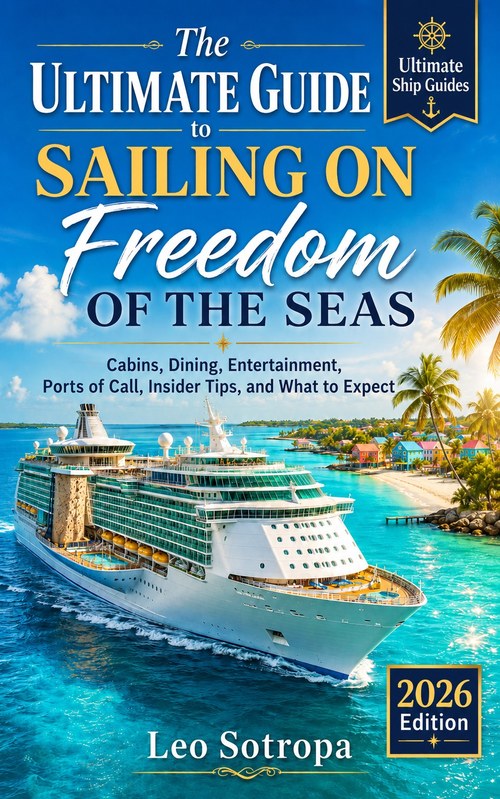
Want every FlowRider trick, CocoCay reservation window, and money-saving move in one place? “The Ultimate Guide to Sailing on Freedom of the Seas” is part of the Ultimate Ship Guides series by Leo Sotropa, with clear action steps in every chapter so you can plan your short getaway with confidence.
Frequently asked questions
Is the FlowRider free on Freedom of the Seas?
Yes. The FlowRider surf simulator is free to ride during the complimentary open sessions posted in the Royal Caribbean app, which is how most guests use it. Royal Caribbean also sells private or small-group instructional slots for an extra charge if you want dedicated coaching time without waiting in the standby line, but you never have to pay to ride.
Should beginners boogie-board or try to stand up?
Start with the boogie-board, lying chest-down on the board. It is far more forgiving, and most people are carving across the wave within a couple of turns. Stand-up flowboarding is much harder and usually takes several sessions to master, so on a short cruise it is realistic to get good at boogie-boarding and try standing up just once for the experience.
When is the FlowRider line shortest?
Two windows are best: the very first posted session of the day, and any port-day stretch when most guests are ashore at CocoCay or Nassau. Mid-afternoon sea-day sessions are the busiest. Riding the wave in the late afternoon once the island crowds return to the ship is often the quietest time of all.
What should I book before I board Freedom of the Seas?
Reserve the paid CocoCay experiences that sell out first, such as Thrill Waterpark, the Coco Beach Club, and the private cabanas, along with any specialty dinner at venues like Chops Grille, Giovanni’s Table, or Izumi. Pre-booking in the app usually costs less than buying onboard and guarantees availability on a busy short cruise.
How much time do I get at CocoCay and Nassau?
These are short 3-, 4- or 5-night getaways from Miami, so each port day matters. Freedom’s headline stop is Perfect Day at CocoCay, and most sailings also call at Nassau, with some itineraries adding Caribbean ports. Ports and hours vary by voyage, so always confirm your exact schedule in the Royal Caribbean app.
Do I need the Royal Caribbean app and Wi-Fi?
You need the app; it stores your boarding pass, sets your arrival time, and manages every reservation, and it works over the ship’s onboard Wi-Fi even without a paid internet plan. A full internet plan is a separate paid add-on, so buy it only if you want to stay connected. Downloading the app and finishing online check-in before you travel is the best way to speed up boarding day.
How does paying for things work onboard?
Freedom is cashless. Your SeaPass card is your room key and your onboard account, and you charge everything to it. Register a card at check-in, watch your running total in the app, and note that daily gratuities are added automatically. Because extras add up fast on a short cruise, set a loose budget and commit to the big-ticket experiences early while they are still available.
Ready for the whole ship in one place? It is all in The Ultimate Guide to Sailing on Freedom of the Seas.
Get the book →
Meet Leo: The Heartbeat Behind ‘A Country A Month’
Journeying through the pages of A Country A Month, you might often feel the rhythm of a storyteller’s heartbeat, pulsating through each line, each image, and each adventure shared. That heartbeat belongs to none other than our remarkable website editor, Leo.
With a lens in one hand and a pen in the other, Leo seamlessly marries his passions for photography and writing. His eye captures moments that words can barely describe, yet his eloquence brings those images to life, transcending borders and connecting us all through shared stories. An avid traveler, every country he’s visited has added another chapter to his expansive tale, and through our platform, he generously shares these chapters with us.