Which ports do you actually see on a Mexican Riviera cruise from Los Angeles, and how is it different from the short Baja run? On Quantum of the Seas’ longer sailings, roughly 5 to 7 nights round-trip from Los Angeles, you get the marquee Baja stop plus the ports that make this a true Riviera trip: a Mexican Riviera cruise to Cabo San Lucas is the anchor, and the extra days let the ship reach south to Mazatlán and Puerto Vallarta. This guide walks you through each port using the landmarks that matter, explains the rhythm of the extra sea days, and shows how to confirm exactly what your voyage includes before you sail.
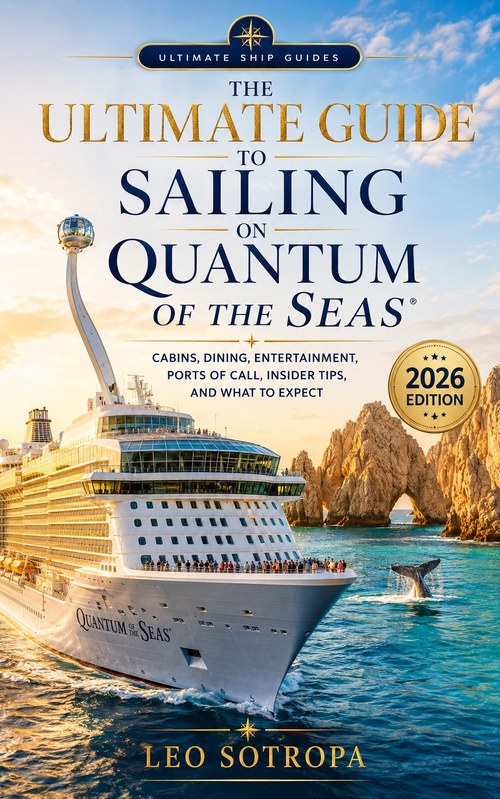
Everything in this article and far more, deck by deck, in The Ultimate Guide to Sailing on Quantum of the Seas.
Get the book →The longer itinerary versus the short Baja getaway
Quantum of the Seas sails round-trip from Los Angeles, with the cruise terminal down in San Pedro. Her Mexican itineraries range from 3-night Ensenada getaways up through 5-, 6-, and 7-night Baja and Mexican Riviera cruises. The short end of that range is the classic Baja run: a quick hop to Ensenada, or Ensenada plus Cabo San Lucas and Santa Catalina Island, with almost no time at sea. It is a great long-weekend trip, but you spend more of it close to the California coast than in mainland Mexico.
The longer sailings change the character of the cruise. Once you cross into the 5-to-7-night range, the itinerary has enough runway to push south past the tip of the Baja peninsula and reach the mainland Riviera ports. That is where Mazatlán and Puerto Vallarta come in. Cabo San Lucas stays on the map, often as an overnight call, and depending on the exact routing you may still see Ensenada or Santa Catalina Island as a bookend stop near home. The trade-off is real distance: the Pacific stretch between Southern California and the Riviera is open ocean, so a longer cruise means more full sea days.
If you are weighing the two, think about what you want out of the week. The short Baja circuit is port-dense and low on sea time. The longer Riviera loop gives you two or three genuinely different Mexican towns plus the days at sea that let you actually use everything Quantum was built for. For a full breakdown of the shorter option, the Baja Mexico itinerary guide covers that side in detail; this article stays focused on the longer Riviera sailings.
What “Mexican Riviera” actually means here
The Mexican Riviera is the mainland Pacific coast: the stretch that includes Mazatlán and Puerto Vallarta, with Cabo San Lucas sitting at the southern tip of Baja as the gateway. When a Quantum sailing is marketed as Mexican Riviera rather than simply Baja, that is the signal you are getting the longer route with the southern ports attached. Because ports and lengths vary by sailing, the safest move is always to read your specific voyage rather than assume — two 7-night cruises in the same season can call at a slightly different mix.
Cabo San Lucas: El Arco, Medano Beach, and whales
Cabo San Lucas is the headline stop and often an overnight call, which is a genuine gift on a cruise. Cabo is a tender port, meaning the ship anchors offshore and you ride a small boat in, so the practical advice is to get off early on your first day rather than waiting for the queue to build. An overnight also means you can be out on the water at the good hours and still have a relaxed second morning.
The single must-see is El Arco, the natural rock arch at Land’s End where the Pacific meets the Sea of Cortez. You reach it by water taxi from the marina, and the same boats can drop you at Lover’s Beach, tucked into the rocks near the arch. Medano Beach is the main swimmable town beach, an easy walk from the marina, lined with loungers and vendors and calm enough for a straightforward beach day. Cabo is also a sport-fishing town, so if that is your thing, this is the port to book it.
In whale-watching season the waters off Cabo are one of the best places on the whole itinerary to see them, and an overnight gives you the flexibility to pick a morning or afternoon trip. Confirm the season for your dates and book the whale watching or the fishing charter ahead — the good operators fill up, and a tender port means you want your shore plans locked before you step onto the boat.
How you split an overnight in Cabo is worth thinking through. A common approach is to spend the first afternoon on the water — the arch, Lover’s Beach, and a swim off Medano — while the light is good, then keep the second morning slower for a beachfront breakfast in town before the last tender back. Because the ship stays put overnight, you are not racing a single all-aboard time the way you are at a one-day port, which takes a lot of pressure off the day. Just keep an eye on the final tender schedule in the app, since the last boat leaves well before the ship departs.
Mazatlán: the historic Centro and the malecón
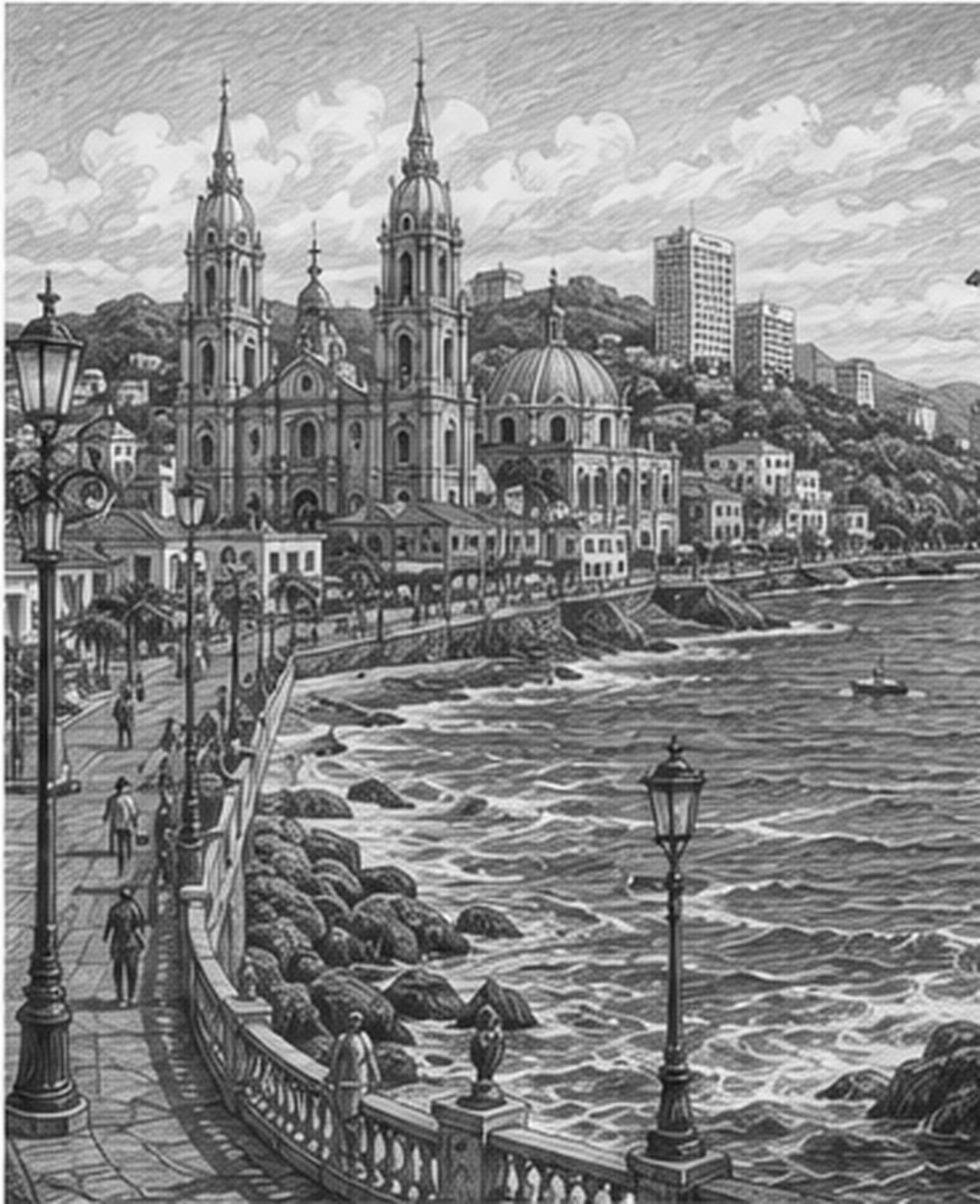
Mazatlán is the port that most clearly marks a longer sailing — you only reach it once the itinerary has the days to run down the mainland coast. It is a working Mexican city with a deep old town, and it rewards walking. The historic Centro is the heart of it: restored 19th-century buildings, plazas, and the kind of streets where the town’s daily life happens rather than a strip built for cruise traffic.
The malecón, Mazatlán’s seafront boardwalk, is one of the longest in the world and the natural spine for a day here. You can walk a good stretch of it, stop for food, and take in the views without a tour. Looming over the harbor is El Faro, a lighthouse set on a rocky hill that is one of the highest natural lighthouses anywhere; the climb up is a workout, but the payoff is a full view over the city and the coast. For beach time, Stone Island — a short boat ride across the harbor — has broad sand and a laid-back, palapa-lined feel that is a change of pace from the town itself.
Mazatlán is a good port to do on your own two feet if you like exploring, or by a simple guided overview if you want the history explained. Either way it feels like the most authentically local stop of the trip, which is exactly what the longer itinerary buys you. A workable plan for a single day is to start in the Centro while it is cool, walk a stretch of the malecón toward the lighthouse hill, and save Stone Island for the afternoon if you want a beach finish — or flip it and do the beach first if the heat is the deciding factor. For onboard planning and packing pointers that apply across these ports, the Quantum tips guide is a useful companion.
Puerto Vallarta: the Malecón, Zona Romántica, and Playa Los Muertos
Puerto Vallarta is the southern anchor of the Riviera run and, for many people, the highlight of the week. Unlike Cabo, this is typically a docked port, so you walk straight off rather than tendering. The town has held onto its character better than most resort destinations, and the walkable core makes it easy to see a lot in one day without a car.
Start on the Malecón, the oceanfront promenade that runs along the town’s edge, dotted with bronze sculptures and lined with cafés and shops. A block or two inland stands the Church of Our Lady of Guadalupe, whose distinctive crown-topped tower is the visual symbol of the city; the plaza around it is the old-town center. South of the river is the Zona Romántica, the older, more atmospheric quarter of narrow streets, small restaurants, and galleries — the part of town most worth a slow wander. Its beach, Playa Los Muertos, is the main town beach, with a pier, loungers, and easy access on foot from the Zona Romántica.
Because Vallarta is compact and walkable, it is one of the easier ports to enjoy without booking anything. You can string together the Malecón, the church, the Zona Romántica, and a couple of hours on Playa Los Muertos in a single relaxed day. If you would rather have a plan handed to you, the ship’s excursions cover the same ground plus options further afield, but the town itself does not require one.
Ensenada and Catalina: the bookend ports
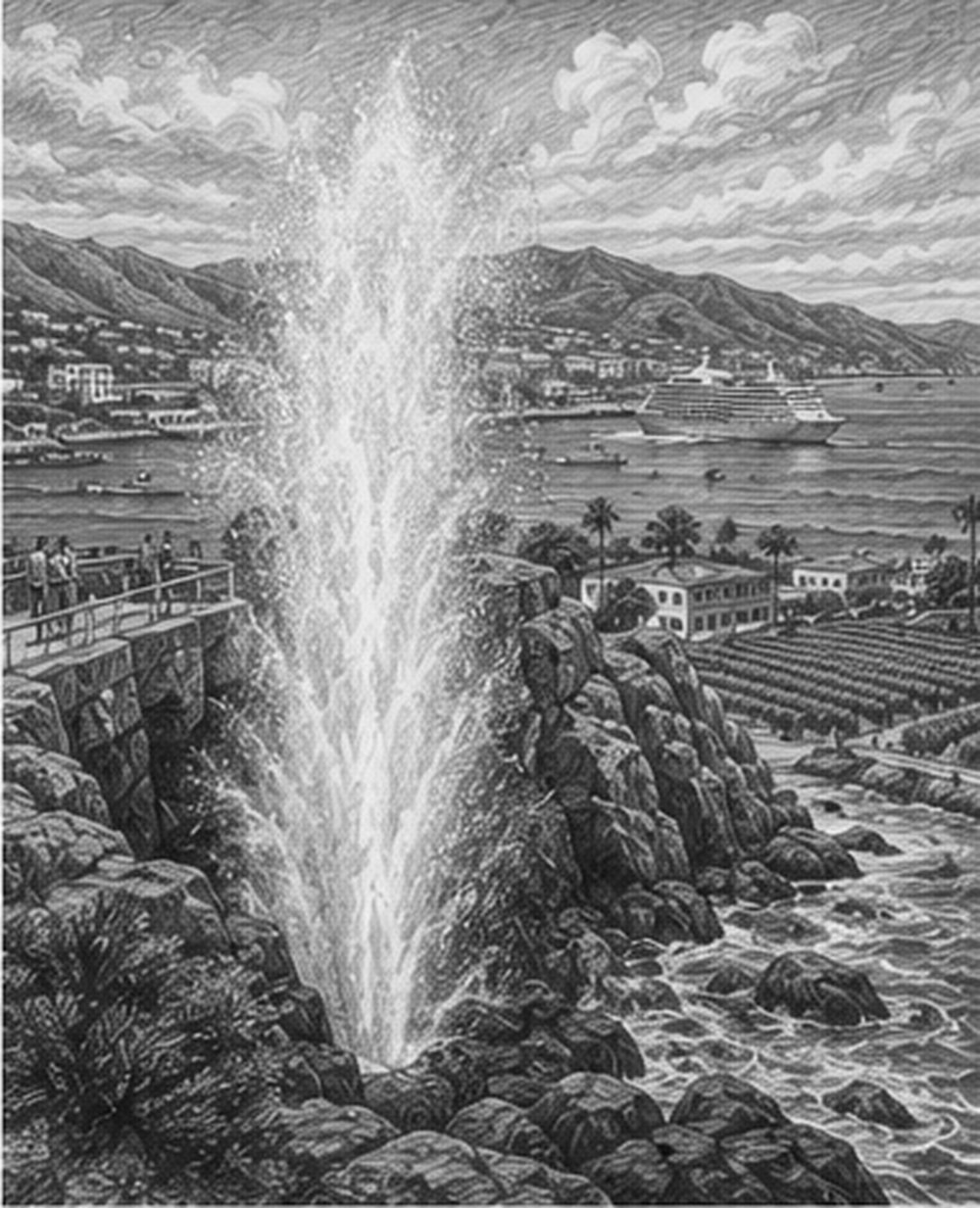
Depending on the exact routing, some longer Quantum sailings also include Ensenada or Santa Catalina Island as a stop near the California end of the trip. Ensenada, in Baja, is known for La Bufadora — a marine blowhole that shoots seawater high into the air — plus easy reach of the Valle de Guadalupe wine country and a strong taco and street-food scene in town. Santa Catalina Island, where you tender into the town of Avalon, is a small California island port: the landmark Casino building, glass-bottom boats, snorkeling at Lover’s Cove, golf carts instead of taxis, and a botanic garden. Neither is guaranteed on a Riviera itinerary, so treat them as a bonus and check your voyage to see if they appear.
Sea days: what the longer route gives you
The open-ocean stretch between Southern California and the mainland Riviera means a 5-to-7-night cruise carries more full sea days than the short Baja hop. Far from being downtime, those days are when Quantum of the Seas earns its reputation. She is the original Quantum-Class ship — the one that introduced the North Star, RipCord by iFly, SeaPlex, Two70, and the Bionic Bar to Royal Caribbean — so there is a lot to fill the hours.
The North Star is the signature: a jewel-shaped glass capsule on a mechanical arm that lifts you about 300 feet above the sea for 360-degree views. It is often complimentary on sea days and reservations go quickly, so book it early in the cruise. RipCord by iFly is the onboard skydiving simulator, a vertical wind tunnel, and the FlowRider gives you a surf simulator to wipe out on. SeaPlex is the largest indoor active space at sea, with bumper cars, roller skating, basketball, an arcade, and Xbox — a good rainy-hour backup. By night, Two70 turns its daytime glass wall into immersive Vistarama and Roboscreen shows.
Around those headliners there is the Royal Esplanade indoor promenade, the Bionic Bar with its robot bartenders, a rock wall, the Vitality Spa, the adults-only Solarium for quieter sea days, the Music Hall, and Adventure Ocean for kids. A sensible approach is to spread the big-ticket activities across your sea days rather than cramming them, and to use the app to see what is scheduled when. For a fuller tour of the venues, see what to expect on board.
Dining across a longer week
A longer cruise also gives your dining more room to breathe. Included options run from the Main Dining Room to the Windjammer buffet, Café Promenade, and Sorrento’s pizza, which covers every meal without extra cost. If you want to spend on a night or two, the specialty lineup includes Wonderland with its imaginative dishes, Jamie’s Italian, Chops Grille, Izumi, the Chef’s Table, and Johnny Rockets. With more sea days on a Riviera sailing, it is worth booking one or two specialty nights early — the best slots go fast once everyone is aboard.
Choosing a cabin for the Pacific stretch
Cabin choice matters a little more on a Riviera cruise than on a short getaway, because you spend real time crossing open Pacific water. The steadiest ride is a midship balcony on the mid-decks, which also gives you the most space and light; that is the best all-round pick for this itinerary. On the value end, the Virtual Balcony interior — an interior cabin with a floor-to-ceiling real-time ocean screen — is a smart way to keep costs down, and it is easiest to justify on a shorter trip than a week at sea. Ocean View, standard Balcony, Studio cabins for solo travelers, and suites up to the two-deck Royal Loft Suite round out the range.
A few rooms to check against the deck plan before you book: cabins directly under the pool deck or SeaPlex can be noisy, rooms near Two70 or the Music Hall pick up nightlife, forward high-deck rooms feel motion the most on the open stretches, and some lower-deck balconies have lifeboat-obstructed views. If motion is a concern on the Pacific legs, that midship, mid-deck position is your friend. The best cabins guide goes deeper on specific categories and locations.
Confirming your itinerary in the app
Because ports and lengths vary from sailing to sailing, the most important thing you can do is confirm your exact voyage rather than relying on the general shape of “a Mexican Riviera cruise.” The Royal Caribbean app runs your trip: it shows your day-by-day itinerary, arrival and departure times in each port, whether a stop is a docked or tender call, and any changes if the ship reroutes. Check it before you book excursions so you are matching tours to real hours ashore, and check it again once you board in case anything has shifted.
The app is also where you reserve the North Star, book specialty dining, and see the daily schedule of onboard activities and shows. Onboard, your SeaPass card is your cashless account; daily gratuities are added automatically and Wi-Fi is a paid plan you add if you want it. One practical embarkation tip for this ship specifically: fly into Los Angeles a day early. LA traffic is heavy and the terminal is down in San Pedro, so an extra night removes the single biggest risk to your sailing day. If it is your first Royal Caribbean cruise, the first-timer’s guide walks through embarkation and the app setup step by step.
Quick port reference
| Port | Access | Landmarks to aim for |
|---|---|---|
| Cabo San Lucas | Tender, often overnight | El Arco, Medano Beach, Lover’s Beach, whale watching |
| Mazatlán | Docked | Historic Centro, malecón, El Faro, Stone Island |
| Puerto Vallarta | Docked | Malecón, Church of Our Lady of Guadalupe, Zona Romántica, Playa Los Muertos |
| Ensenada (some routings) | Docked | La Bufadora, Valle de Guadalupe, town tacos |
| Santa Catalina (some routings) | Tender | Casino building, glass-bottom boats, Lover’s Cove |
For the big-picture overview of the ship and how she compares across itineraries, the complete Quantum of the Seas cruise guide ties it all together.
Get the complete Quantum of the Seas playbook
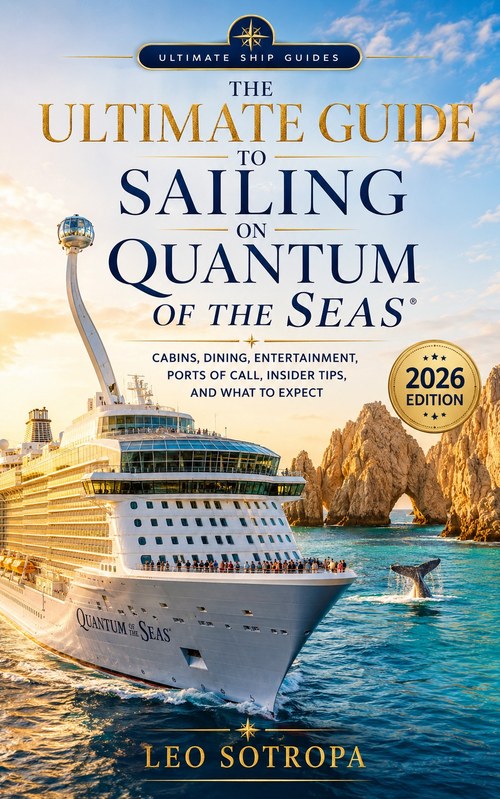
Ready to plan your Mexican Riviera sailing down to the last port hour? “The Ultimate Guide to Sailing on Quantum of the Seas” gives you the full playbook, part of the Ultimate Ship Guides series by Leo Sotropa, with clear action steps in every chapter.
Frequently asked questions
What ports does Quantum of the Seas visit on a Mexican Riviera cruise?
On her longer sailings from Los Angeles, the core Mexican Riviera ports are Cabo San Lucas — often an overnight call — plus Mazatlán and Puerto Vallarta on the mainland coast. Some routings also include Ensenada or Santa Catalina Island near the California end. Ports vary by sailing, so confirm your exact voyage in the Royal Caribbean app.
How long is a Mexican Riviera cruise on Quantum of the Seas?
The Riviera sailings that reach Mazatlán and Puerto Vallarta are typically in the 5-to-7-night range, round-trip from Los Angeles. Shorter 3-night trips are Ensenada getaways and stay close to the California coast, so they do not reach the southern mainland ports.
How is the longer Riviera cruise different from the short Baja run?
The short Baja circuit is port-dense with very little time at sea, hitting stops like Ensenada, Cabo San Lucas, and Santa Catalina close to home. The longer Riviera route adds Mazatlán and Puerto Vallarta on the mainland, which means more open-ocean sea days — and more time to use Quantum’s onboard attractions like the North Star and SeaPlex.
Is Cabo San Lucas a tender port?
Yes. In Cabo the ship anchors offshore and you take a small tender boat ashore, so it is worth getting off early to beat the queue. The good news is that Cabo is often an overnight call, which gives you plenty of flexibility for whale watching, sport fishing, or a water-taxi trip out to El Arco and Lover’s Beach.
Do I need to book shore excursions in advance?
For time-sensitive, capacity-limited activities like whale watching or a sport-fishing charter in Cabo, yes — book ahead so you are not scrambling at a tender port. Mazatlán and Puerto Vallarta are both walkable enough that you can enjoy the Centro, the malecón, or the Malecón and Zona Romántica on your own if you prefer not to book anything.
Which cabin is best for the open-Pacific sea days?
A midship balcony on the mid-decks gives you the steadiest ride along with the most space and light, which helps on the open stretches between California and the Riviera. If you are on a budget, the Virtual Balcony interior is a solid value, and anyone prone to motion should avoid forward, high-deck rooms.
How do I confirm my exact itinerary and port times?
Use the Royal Caribbean app. It shows your day-by-day itinerary, arrival and departure times, whether each stop is docked or tender, and any reroutes. It is also where you reserve the North Star, book specialty dining, and check the daily activity schedule, so check it before you book excursions and again once you are aboard.
Ready for the whole ship in one place? It is all in The Ultimate Guide to Sailing on Quantum of the Seas.
Get the book →
Meet Leo: The Heartbeat Behind ‘A Country A Month’
Journeying through the pages of A Country A Month, you might often feel the rhythm of a storyteller’s heartbeat, pulsating through each line, each image, and each adventure shared. That heartbeat belongs to none other than our remarkable website editor, Leo.
With a lens in one hand and a pen in the other, Leo seamlessly marries his passions for photography and writing. His eye captures moments that words can barely describe, yet his eloquence brings those images to life, transcending borders and connecting us all through shared stories. An avid traveler, every country he’s visited has added another chapter to his expansive tale, and through our platform, he generously shares these chapters with us.