Can you really see Rome and Florence from a cruise ship? Yes — but the marquee art cities of a Western Mediterranean sailing on Norwegian Epic are all inland, reached by a real transfer, and the trip only works if you respect the clock. Epic docks at the port towns — Civitavecchia for Rome, Livorno for Florence and Pisa, Naples for Pompeii and the Amalfi Coast — and then it is on you to get inland, see the headline sights, and get back before all-aboard. This guide walks the big ports in the order they matter, with honest transfer times, timed-ticket advice, and a plan for pacing the hot, long walking days so you actually enjoy them instead of surviving them.
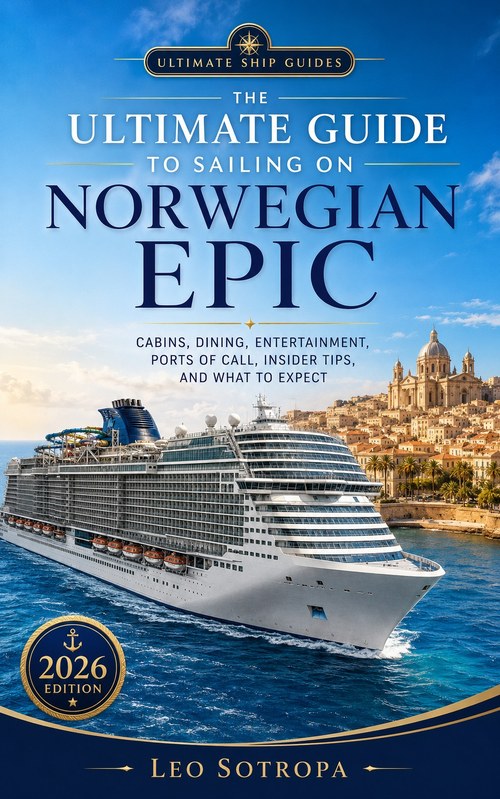
Everything in this article and far more, deck by deck, in The Ultimate Guide to Sailing on Norwegian Epic.
Get the book →The one rule that shapes every port day: the transfer
Several of the greatest sights on this itinerary are not in the port town at all. Florence and Pisa are inland from Livorno. Rome is inland from Civitavecchia. Pompeii, Capri and the Amalfi Coast sit well beyond the harbor at Naples. That single fact — inland sights, coastal ports — is the thing that separates a good day from a stressful one. Every decision you make, from booking a ship tour to catching a train, comes down to how confidently you can get back to Epic before the gangway closes.
Freestyle Cruising gives you a lot of flexibility on board, but it does nothing for the physics of a highway between the coast and the city. Build your day backwards from all-aboard time, not forwards from breakfast. Note the all-aboard time the moment you wake up — it is usually printed in the daily program and shown in the NCL app — and then subtract your return transfer, plus a real buffer, before you decide how much time you have in the city. If the math is tight, the honest answer is to see less, not to gamble.
Rome from Civitavecchia: the Colosseum, the Forum and the Vatican
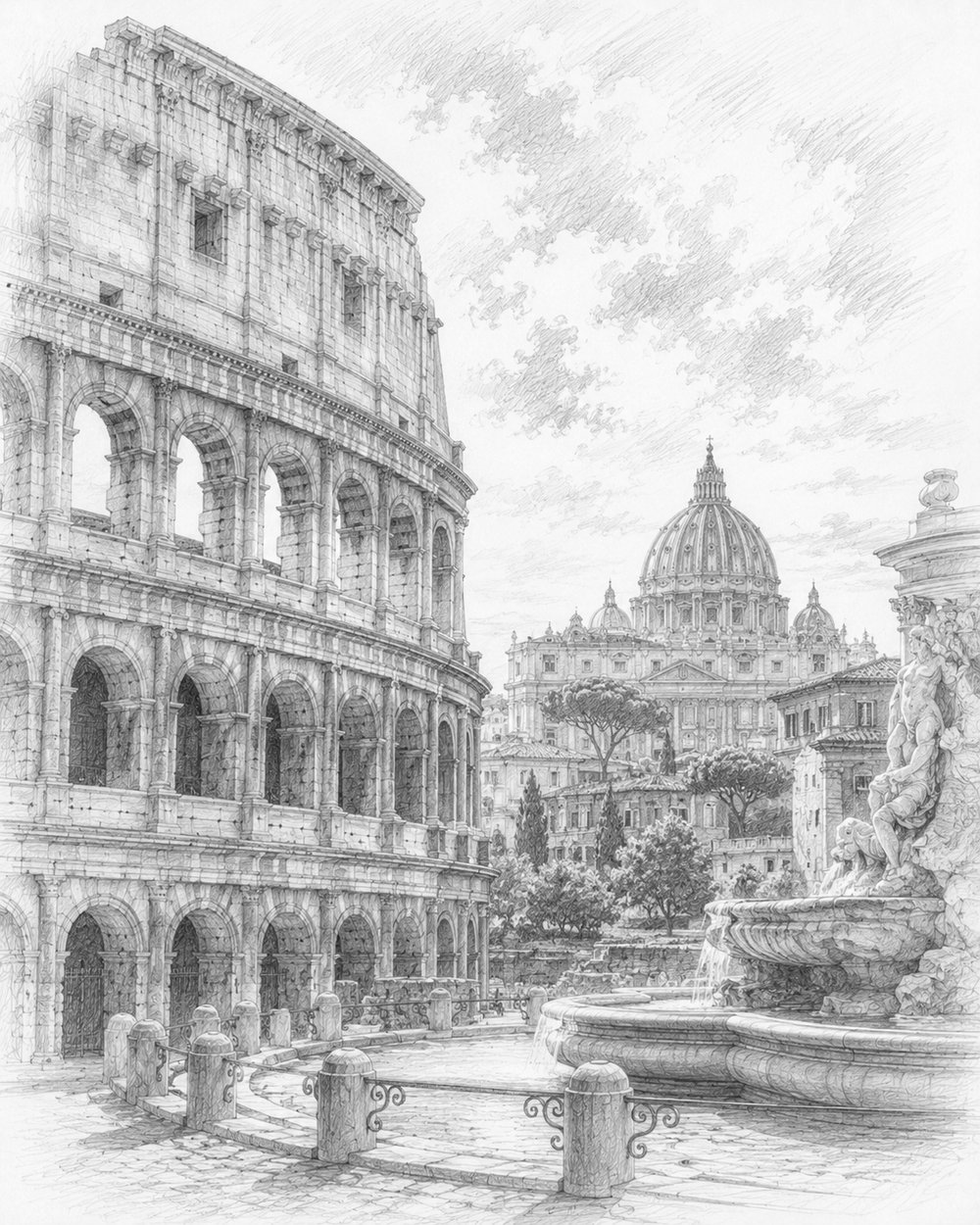
Civitavecchia is the port for Rome, and the gap between the two is the defining challenge of this stop. The city is roughly an hour to ninety minutes inland depending on how you travel and how the traffic behaves — which means a chunk of your day is spent getting there and back before you have seen a single ruin. Go in knowing that, and Rome is one of the best days at sea you will ever have. Go in expecting the Colosseum to be around the corner, and you will spend the day anxious.
What to actually see in a port day
You cannot do all of Rome in one port call, so choose a theme. Ancient Rome — the Colosseum and the Roman Forum, which sit next to each other — is one clean, walkable cluster. The Vatican — St. Peter’s and the Vatican Museums with the Sistine Chapel — is a second, on the other side of the city center. Trying to do both in a single day means a lot of transit and very little standing still. If it is your first visit, pick one anchor, add a few fountains and piazzas nearby, and let the rest wait for a land trip another time.
Timed tickets are not optional
The Colosseum and the Vatican Museums both run on timed entry, and the popular slots sell out well ahead. Book your entry window before you sail, and choose a time that leaves generous slack after your inbound transfer — if your ticket says a fixed hour and your bus is stuck in traffic, the ticket does not wait for you. Skip-the-line or guided entry is worth the premium here purely for the time it saves; standing in a general-admission queue in the midday sun is exactly the kind of hour you cannot spare on a port day.
Ship tour or independent?
Rome is the port where a ship-organized excursion earns its price for a lot of people. The single biggest reason is not the guide or the tickets — it is the guarantee. If a ship tour runs late, the ship knows where you are and will not sail without you. Do it independently and you carry that risk yourself. A train runs from Civitavecchia toward Rome and gives you total freedom once you arrive, and confident, experienced travelers do it happily — but you must know the return timetable cold, allow for the walk between the Rome station and the sights, and build in a margin for delays. If the idea of watching a clock all afternoon would ruin the Forum for you, book the tour and relax.
Whichever you choose, wear real shoes. The Forum is uneven ancient stone, the Vatican Museums are a long march to the Sistine Chapel, and Rome in high summer is genuinely hot. This is a hot-walking-day port; treat it like one.
Florence and Pisa from Livorno: the Duomo, the Uffizi and the Leaning Tower
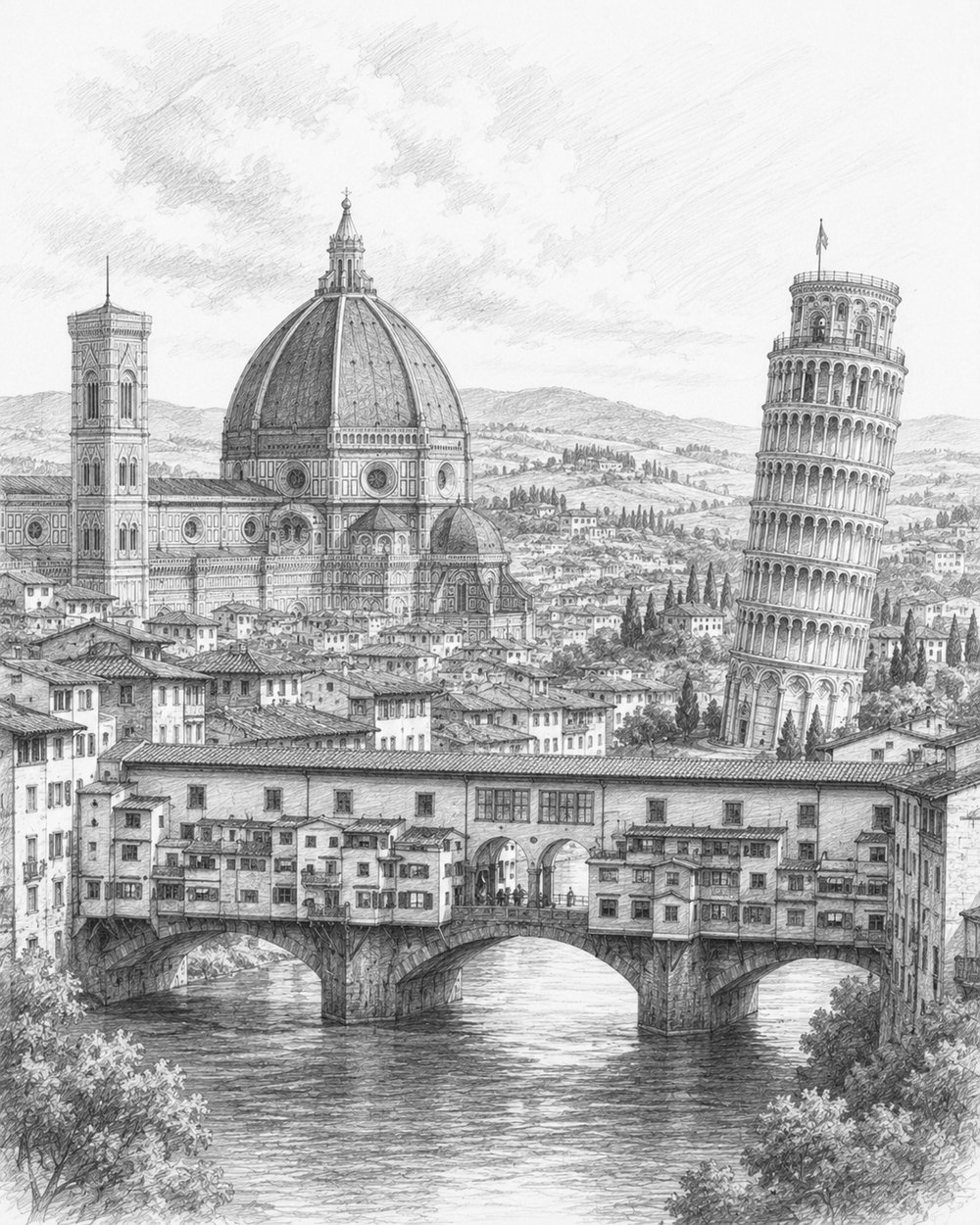
Livorno is the gateway to two very different inland cities, and the classic mistake is trying to give both the same weight. Florence is the reason most people book this stop — the Renaissance capital, the Duomo, the Uffizi, the Ponte Vecchio and the art that changed the world. Pisa and its Leaning Tower are closer to the port and far quicker to see. The smart split is to treat Florence as the main event and Pisa as an add-on, not the other way around.
Florence: choose your one great thing
Florence is around an hour and a half inland from Livorno, so the same transfer discipline as Rome applies. Once you are there, the historic center is compact and walkable, which is a gift on a port day. The Duomo complex — the cathedral, the dome and the baptistery — is the free-to-admire, unmissable heart of the city, and you can take in its exterior and the surrounding piazzas without any ticket at all. The Uffizi Gallery and the Accademia (home to Michelangelo’s David) are the ticketed art heavyweights, and they run on timed entry that sells out. Pick one gallery, book its timed slot in advance, and do not try to squeeze in both — a single great gallery seen calmly beats two seen at a jog.
Pisa: fast, iconic, and easy to combine
Pisa’s Leaning Tower sits in the Piazza dei Miracoli with the cathedral and baptistery, and the honest truth is that the photo, the walk around the square and a coffee take a couple of hours at most. Because Pisa is closer to Livorno than Florence is, many people combine a short Pisa stop with a longer Florence visit in one day. If you want to actually climb the tower, that is a timed, ticketed entry too, and it eats into the day — decide in advance whether the climb matters to you or whether the classic tilted photo from the lawn is enough.
Train versus tour from Livorno
Getting to Florence independently is very doable — a shuttle or taxi links the port to Livorno’s station, and trains run inland from there. Independent travel gives you the freedom to linger at the Duomo and pick your own lunch, and it is usually cheaper than an excursion. But it stacks connections: port to station, train to Florence, then the walk to the sights, and the whole chain again in reverse against the all-aboard clock. A ship tour collapses all of that into one coach with a return guarantee, which is why nervous first-timers and anyone who wants both Pisa and Florence in a single day often prefer it. Match the choice to your tolerance for connections, not to what sounds cheapest on paper.
Naples: Pompeii, Capri and the Amalfi Coast from one port
Naples is the most versatile stop on the itinerary because it hands you three completely different day trips from one gangway — and, unusually, the city itself is worth some time too. This is the port where you should decide your priority before you dock, because Pompeii, Capri and the Amalfi Coast pull in different directions and you can realistically commit to one.
Pompeii
Pompeii is the closest of the three and the most reliable on a tight schedule. The ruined Roman city is extensive and almost entirely without shade, so it is another hot-walking day: hat, water, sunscreen, and shoes that can handle ancient paving. A guide genuinely adds value here — without one, the site can read as a lot of broken walls; with one, it comes alive. Whether you go on a ship tour or independently, Pompeii’s proximity makes it the safest choice if you want to be certain of returning on time.
Capri
The isle of Capri is a boat ride away and adds a ferry crossing to your day’s moving parts. It is glamorous and beautiful, but the extra water transfer means less margin for error, so this is a stop where the ship-tour guarantee feels especially reassuring. If you go independently, treat the ferry timetable with the same seriousness you would a train home.
The Amalfi Coast
The Amalfi Coast — Sorrento, Positano, the winding cliffside road — is the most scenic and the most time-consuming, because the drive is slow and stunning in equal measure. It is a full commitment: pick it and you will not also be doing Pompeii the same day. On a coast road with limited chances to hurry back, an organized excursion with a return guarantee is the sensible way to see it from a cruise. And if none of the three appeal, Naples itself rewards a wander — and its pizza is worth the walk.
Cannes and Ajaccio: the lighter, easier days
Not every stop is an inland marathon, and the French Riviera and Corsican calls are where you catch your breath between the big art cities. Pace your week so these easy ports fall around the hard ones — a gentle day after Rome is not laziness, it is strategy.
Cannes on the French Riviera
Cannes is often a tender port, so factor the tender ride into your timing, but once ashore it is refreshingly walkable. The Croisette seafront and the old town of Le Suquet fill a relaxed day on foot with no transfer required. If you want more, Nice, Antibes and Monaco are within reach along the coast — a good option for repeat visitors, though it turns an easy day into a travel day, so weigh that against where it falls in your week.
Ajaccio in Corsica
Ajaccio is Napoleon’s birthplace and one of the most self-contained ports on the itinerary. The old town, the citadel and the waterfront are close to where Epic docks, and the beaches and mountains beyond reward anyone who wants a little more. There is no long inland haul here, which makes Ajaccio the ideal recovery day — easy to do independently on foot, easy on your legs, and a welcome contrast to the ruins-and-galleries intensity of Italy.
How to pace a port-intensive, walking-intensive week
This itinerary is demanding by design — it packs some of the greatest art, history and food in the world into a single week, and the cost of that richness is a lot of walking in a lot of heat. The travelers who love it are the ones who plan for the intensity instead of being ambushed by it.
- Alternate hard and easy days. Follow a Rome or Florence marathon with a walkable Cannes or Ajaccio, and use Epic as your base to reset in between.
- Book timed tickets before you sail. The Colosseum, the Vatican Museums, the Uffizi and the Accademia all sell out, and a fixed entry window forces you to build your transfer around it.
- Dress for ruins and heat. A hat, sunglasses, sunscreen and genuinely comfortable shoes for cobbles and ancient stone, plus a light layer for cool evenings and the ship’s air conditioning.
- Return early, not just on time. Aim to be back with a real buffer before all-aboard; the gangway does not wait, and Epic will sail without you.
- Let Freestyle work for you. After a long inland day you can dine when you like across a big range of restaurants — no fixed seating to race back for — so a late return still means a relaxed dinner.
Port-day transfers at a glance
| Port | Inland sight | Rough transfer | Best for |
|---|---|---|---|
| Civitavecchia | Rome: Colosseum, Forum, Vatican | Long (about an hour or more each way) | Ship tour or confident train travelers |
| Livorno | Florence Duomo/Uffizi; Pisa’s tower | Long to Florence, shorter to Pisa | Focus on one gallery; add Pisa if time |
| Naples | Pompeii, Capri, Amalfi Coast | Pompeii closest; Amalfi longest | Pick one; Pompeii safest on the clock |
| Cannes | Old town on foot; Riviera beyond | Minimal (often a tender port) | Easy recovery day |
| Ajaccio | Old town, citadel, beaches | Minimal — sights near the pier | Independent, low-stress day |
Two housekeeping points that apply everywhere. First, this is a multi-country Schengen cruise, so a passport is required and non-EU travelers should check the latest visa and entry rules — including the new European entry requirements — before they sail. Second, the euro covers Spain, France and Italy; cards are widely accepted, but carry a little cash for small cafés, markets and tips. On board, the Cruise Card is your cashless account, Wi-Fi is a paid plan, and the NCL app runs your day — use it to confirm all-aboard times and any changes to your itinerary or ports, which can shift from the plan. For the bigger picture of how these stops fit a full week, see our Norwegian Epic Western Mediterranean itinerary guide, and for the ship itself, the full Norwegian Epic cruise guide covers cabins, dining and everything on board.
If it is your first NCL sailing, it is worth understanding how Freestyle Cruising works on Norwegian Epic before you go — dining flexibility genuinely changes how you plan the evening after a long port day. And travelers on their own should look at Epic’s pioneering solo studio cabins and Studio Lounge, a real point of difference on this ship.
Get the complete Norwegian Epic playbook
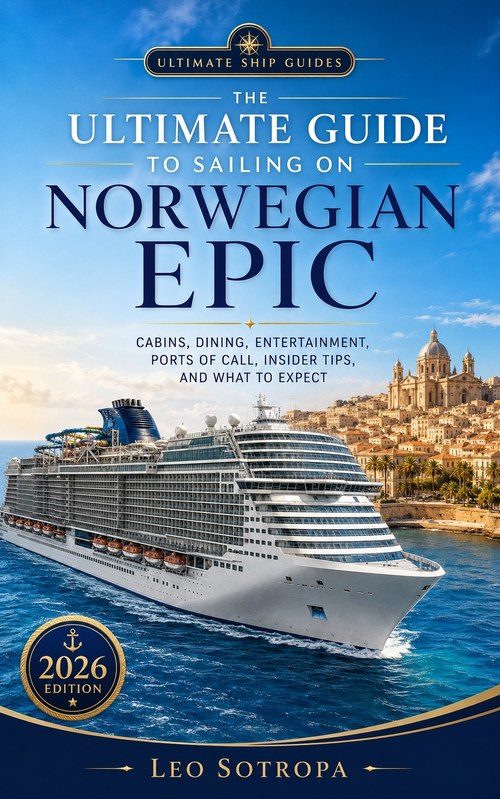
“The Ultimate Guide to Sailing on Norwegian Epic” takes every port on this itinerary and turns it into a step-by-step plan — transfers, timed tickets, tour-versus-independent calls and all-aboard math you can trust. Part of the Ultimate Ship Guides series by Leo Sotropa, it gives you clear action steps in every chapter so you spend your days seeing Rome and Florence, not second-guessing them.
Frequently asked questions
Can I see Rome from Norwegian Epic in one day?
Yes, but Rome is inland from the port at Civitavecchia — roughly an hour to ninety minutes each way — so a large part of your day is transfer time. Pick one theme, such as ancient Rome (the Colosseum and Forum) or the Vatican, rather than trying to see everything, and build your day backwards from all-aboard time.
Should I book a ship tour or go independently?
It depends on your tolerance for risk and connections. A ship-organized excursion guarantees the ship will not sail without you if the tour runs late, which is why many people choose it for the long inland runs to Rome and Florence. Independent train travel is cheaper and more flexible but puts the all-aboard responsibility entirely on you, so you must know the return timetable and allow a real buffer.
Do I need timed tickets for the Colosseum, Vatican and Uffizi?
Yes. The Colosseum, the Vatican Museums, and Florence’s Uffizi and Accademia all use timed entry and sell out ahead of time. Book before you sail and choose a slot that leaves slack after your inbound transfer, because a fixed-time ticket will not wait for a delayed bus or train.
Can I do both Florence and Pisa from Livorno in one day?
Many people do, because Pisa is closer to the port and its Leaning Tower and square take only a couple of hours. Treat Florence as the main event and Pisa as a shorter add-on, and consider a ship tour if you want both in one day, since it collapses the two transfers into a single coach with a return guarantee.
What is the best day trip from Naples?
Naples offers Pompeii, the isle of Capri and the Amalfi Coast, and you can realistically commit to one. Pompeii is the closest and safest on a tight schedule, Capri adds a ferry crossing, and the Amalfi Coast is the most scenic but the most time-consuming. If none appeal, Naples itself and its pizza are worth a wander.
Which ports are easy days that need no long transfer?
Cannes and Ajaccio. Cannes is often a tender port but walkable once ashore, with the Croisette and the Le Suquet old town on foot. Ajaccio’s old town, citadel and waterfront sit close to the pier. Both make ideal recovery days between the intense inland stops at Rome, Florence and Naples.
What should I pack for these port days?
Pack for heat and walking: a hat, sunglasses, sunscreen and genuinely comfortable shoes for cobbled streets and ancient ruins, plus a light layer for cool evenings and the ship’s air conditioning. Bring your passport and check the latest European entry requirements, carry some euros for small purchases, and use the NCL app to confirm all-aboard times each morning.
Ready for the whole ship in one place? It is all in The Ultimate Guide to Sailing on Norwegian Epic.
Get the book →
Meet Leo: The Heartbeat Behind ‘A Country A Month’
Journeying through the pages of A Country A Month, you might often feel the rhythm of a storyteller’s heartbeat, pulsating through each line, each image, and each adventure shared. That heartbeat belongs to none other than our remarkable website editor, Leo.
With a lens in one hand and a pen in the other, Leo seamlessly marries his passions for photography and writing. His eye captures moments that words can barely describe, yet his eloquence brings those images to life, transcending borders and connecting us all through shared stories. An avid traveler, every country he’s visited has added another chapter to his expansive tale, and through our platform, he generously shares these chapters with us.